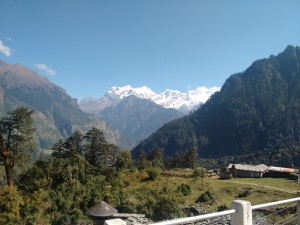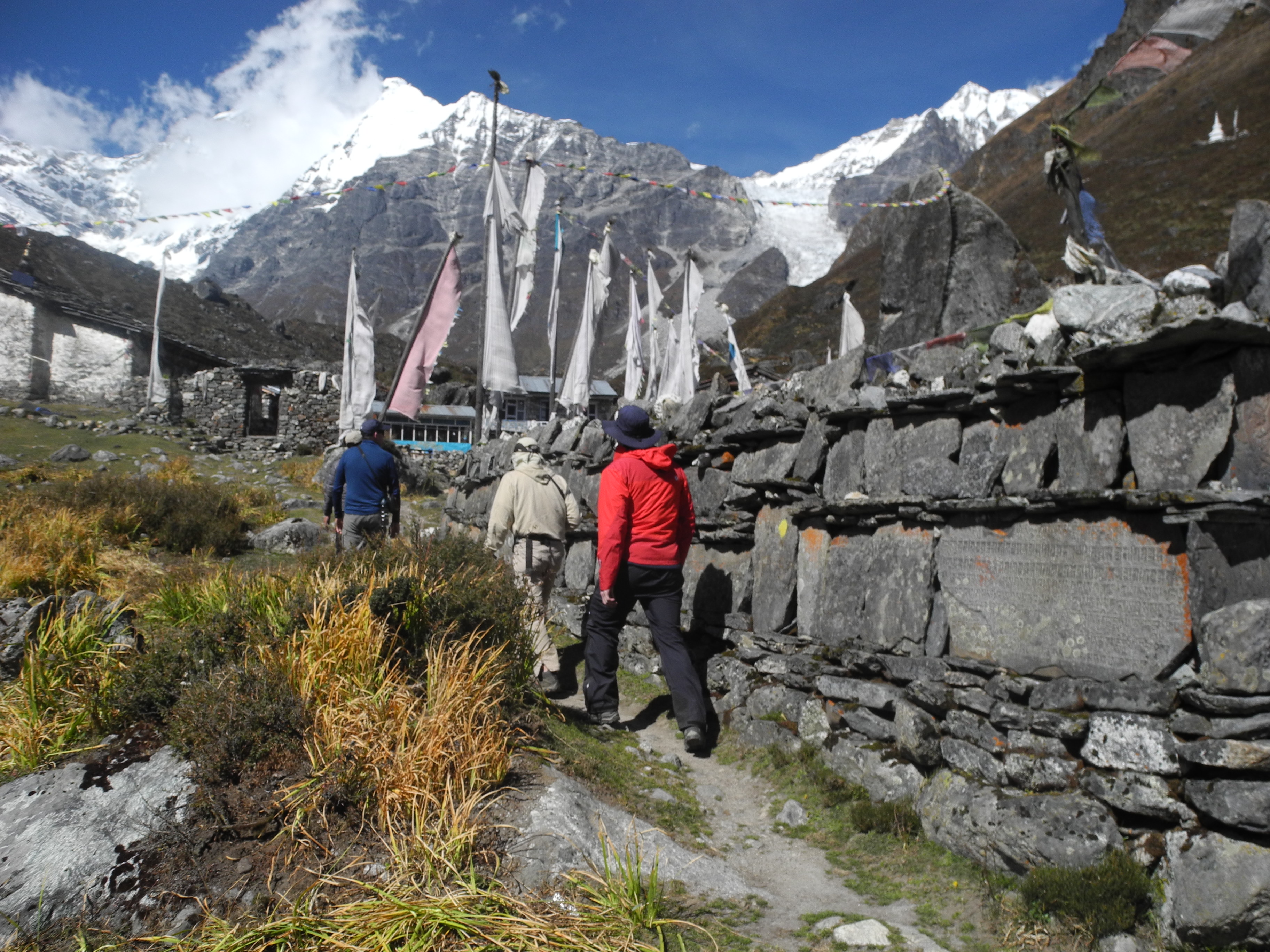

The journey begins with a scenic drive from Kathmandu to Syabrubesi, offering a preview of the stunning landscapes and rural villages that await. The drive itself is an adventure, winding through terraced fields, lush forests, and alongside roaring rivers.
The trek passes through several traditional Tamang villages such as Syabrubesi, Lama Hotel, and Langtang Village. These villages offer a unique glimpse into the local culture, architecture, and lifestyle, heavily influenced by Tibetan traditions.
The trek takes you through Langtang National Park, home to diverse flora and fauna. Trekkers can spot rare wildlife such as the red panda, Himalayan black bear, and various bird species. The park's dense forests, alpine meadows, and cascading waterfalls add to the trek's natural beauty.
Langtang Village, once devastated by the 2015 earthquake, has been rebuilt and stands as a testament to resilience. The village offers stunning views of Langtang Lirung (7,227 meters) and other surrounding peaks. It’s an excellent place to experience local hospitality and culture.
Kyanjin Gompa is one of the trek's spiritual highlights. This Buddhist monastery, set against a backdrop of towering peaks, offers insight into the region's religious practices. Trekkers can also visit the nearby Kyanjin Cheese Factory to taste local yak cheese.
For those looking for an extra challenge, the hikes to Kyanjin Ri (4,773 meters) and Tserko Ri (5,000 meters) are must-do activities. These vantage points provide panoramic views of the Langtang range, glaciers, and the surrounding landscapes.
The Langtang Valley Trek showcases a variety of landscapes, from subtropical forests to alpine meadows and high-altitude desert-like terrain. Each day's trek brings new scenery and natural wonders, making the journey continuously exciting and visually stunning.
The trek offers opportunities to explore the rich biodiversity of the Langtang region. Trekkers can enjoy the sight of blooming rhododendrons in the spring, diverse bird species, and the unique flora and fauna that thrive in the Himalayan environment.
The trek provides numerous opportunities for cultural immersion. Trekkers can interact with local Tamang and Sherpa communities, participate in traditional customs, and learn about the region’s history and way of life.
The peaceful environment and the presence of monasteries and chortens (Buddhist shrines) along the trail add a spiritual dimension to the trek. The serene ambiance and the warm hospitality of the locals contribute to a meditative and enriching experience.
Compared to other popular treks in Nepal, the Langtang Valley Trek is relatively accessible and less crowded. This allows trekkers to enjoy the natural beauty and tranquility of the region without the hustle and bustle of more frequented trekking routes.
The Langtang Valley Trek offers an immersive experience in one of Nepal’s most picturesque regions, combining natural beauty with rich cultural heritage. Starting from the bustling city of Kathmandu, the journey takes you through lush forests, traditional Tamang villages, and up into the stunning alpine landscapes of the Langtang Valley. Each day presents unique opportunities to witness the majestic Himalayas, encounter diverse wildlife, and connect with the warm, resilient people of the region. Highlights include the serene Lama Hotel, the resilient Langtang Village, and the spiritual haven of Kyanjin Gompa. This trek not only challenges you physically but also enriches you with its breathtaking scenery and profound cultural encounters.
The Langtang Valley has a deep historical and cultural significance, heavily influenced by Tibetan culture. The region was once a bustling trade route between Nepal and Tibet, which has left a lasting legacy on the local customs, architecture, and lifestyle. The valley is home to the Tamang and Sherpa communities, whose ancestors migrated from Tibet centuries ago. The Langtang National Park, established in 1976, protects the area's unique biodiversity and cultural heritage, ensuring that the valley remains a pristine trekking destination.
Day 1: Kathmandu to Syabrubesi (1,550m/5,085ft)
Begin your journey with a scenic drive from Kathmandu to Syabrubesi, a charming village that serves as the gateway to the Langtang Valley. The drive offers stunning views of terraced fields, river valleys, and distant mountain peaks, setting the tone for the adventure ahead.
Day 2: Syabrubesi to Lama Hotel (2,380m/7,830ft)
Start trekking from Syabrubesi, following the Langtang Khola (river) through dense forests of oak, rhododendron, and bamboo. Keep an eye out for wildlife like red pandas and langur monkeys as you make your way to the Lama Hotel, a peaceful spot nestled in the forest.
Day 3: Lama Hotel to Langtang Village (3,430m/11,253ft)
The trail continues alongside the Langtang Khola, gradually ascending through lush forests and past scattered Tamang villages. As you approach Langtang Village, the valley opens up, revealing expansive views of Langtang Lirung and other snow-capped peaks. The village, which was significantly impacted by the 2015 earthquake, showcases the resilience and spirit of the local community.
Day 4: Langtang Village to Kyanjin Gompa (3,870m/12,697ft)
A shorter trek today takes you to Kyanjin Gompa, the last village in the Langtang Valley. The path offers breathtaking vistas of the surrounding mountains and glaciers. Upon arrival, explore the ancient Kyanjin Gompa monastery and indulge in local yak cheese at the nearby factory.
Day 5: Hike to Kyanjin Ri (4477m) or Tserko Ri (5000M)
Activities: Spend the day acclimatizing and exploring the area. Hike to Kyanjin Ri (4,773m) or Tserko Ri (5,000m) for breathtaking views of the Langtang range and glaciers. Alternatively, take a leisurely walk around the village and interact with the locals.
Highlights: Stunning mountain vistas and a chance to rest before continuing the trek.
Overnight: Teahouse in Kyanjin Gompa.
Day 6: Kyanjin Gompa to Lama Hotel
Retrace your steps back to Lama Hotel, enjoying the downhill walk and soaking in the views of the valley. This day offers a chance to revisit the serene forests and perhaps spot wildlife that you might have missed on the way up.
Day 7: Lama Hotel to Syabrubesi
Continue your descent to Syabrubesi, passing through the familiar landscapes of the Langtang Valley. Celebrate the completion of your trek with a relaxing evening in Syabrubesi, reflecting on the incredible journey.
Day 8: Syabrubesi to Kathmandu
Drive back to Kathmandu, where you can spend the rest of the day exploring the vibrant city or simply relaxing. Consider visiting the historic sites of Swayambhunath (Monkey Temple) or Boudhanath Stupa to cap off your adventure.
The best time to trek in this region is from September to November and from March to April. However, you can also trek during the low season.
Tea houses or Lodges
| No of person | Price |
|---|---|
| 2+ members | $440 |
| 4+ Members | $410 |
| 8+ Members | $390 |
| 12+ members | $370 |
| Group | contact us |