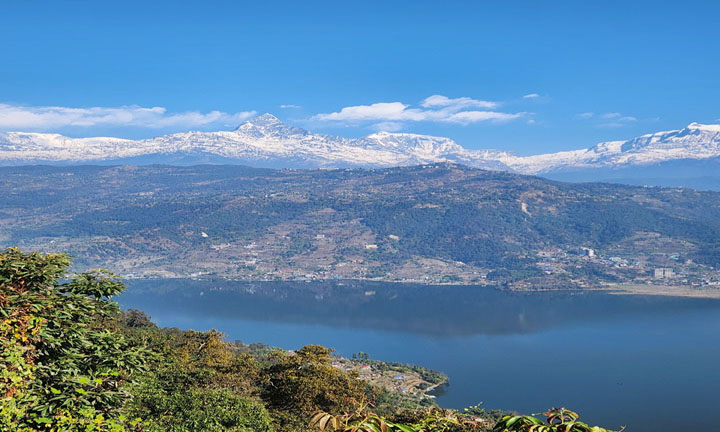

Nepal is a small Himalayan country with an incredible mix of ancient culture, spiritual heritage, mountain landscapes, peaceful lakes, and rich wildlife. A journey through Kathmandu, Pokhara, Lumbini, and Chitwan offers an excellent way to experience these different sides of Nepal in one trip. From centuries-old temples and UNESCO World Heritage Sites in the Kathmandu Valley to the lakeside beauty of Pokhara, the birthplace of Lord Buddha in Lumbini, and the jungle wilderness of Chitwan, this Nepal tour is ideal for travelers who want to discover the country beyond just the mountains. Along the way, you can experience local markets, traditional communities, scenic drives, Himalayan viewpoints, religious sites, adventure activities, and unforgettable natural landscapes.
Your journey begins in Kathmandu, the cultural and historical heart of Nepal. The city and its surrounding valley are home to remarkable temples, palaces, courtyards, and sacred sites that reflect Nepal's Hindu and Buddhist traditions. One of the most important places to visit is Pashupatinath Temple, located beside the sacred Bagmati River. This revered Hindu temple complex is dedicated to Lord Shiva and is one of the most significant pilgrimage sites for Hindus. Visitors can observe religious rituals, traditional architecture, and the spiritual atmosphere along the riverbanks.
Another important Buddhist landmark is Boudhanath Stupa, one of the largest spherical stupas in Nepal. The massive white dome, colorful prayer flags, monasteries, and surrounding Tibetan Buddhist community make Boudhanath a peaceful place to explore. Nearby, Swayambhunath, often called the Monkey Temple, sits on a hill overlooking Kathmandu. The stupa provides beautiful views of the city while its temples, prayer wheels, and religious shrines showcase the connection between Hinduism and Buddhism in Nepal.
The historic cities of Patan and Bhaktapur add another fascinating dimension to the Kathmandu Valley. Patan Durbar Square is famous for its Newari architecture, ancient palaces, courtyards, temples, and artistic metal and wood carvings. Bhaktapur Durbar Square offers an equally impressive journey into Nepal's medieval history, with attractions such as traditional squares, temples, the Golden Gate, and remarkable brick-and-wood architecture. Kathmandu Durbar Square, located in the heart of the capital, is another major heritage site featuring ancient palaces, temples, courtyards, and historic monuments.
For a taste of everyday Kathmandu, travelers can explore Thamel, the city's popular tourist district filled with restaurants, cafés, trekking shops, souvenir stores, hotels, and lively streets. Nearby, Ason and Indra Chowk provide a more traditional local experience. These historic market areas are busy with traders, shoppers, temples, spices, clothing, and everyday goods, giving visitors a glimpse into Kathmandu's authentic urban life.
For panoramic views of the Kathmandu Valley, a visit to Chandragiri Hills is worthwhile. The hill station can be reached by cable car and offers fresh mountain air, beautiful valley views, and, on clear days, impressive Himalayan scenery. It is also a peaceful escape from the busy city.
The journey then continues from Kathmandu to Pokhara, one of Nepal's most scenic travel routes. The road follows valleys and hills, passing rivers, villages, terraced farmland, and changing landscapes. Along the way, travelers can make a stop at Manakamana Temple, an important Hindu pilgrimage site dedicated to Goddess Bhagwati. The famous cable car provides an enjoyable ride up to the temple and offers excellent views of the surrounding hills and valleys.
Pokhara is known as Nepal's city of lakes and mountains and is one of the country's most popular tourist destinations. The relaxed atmosphere around Lakeside, combined with spectacular Himalayan scenery, makes it an ideal place to slow down and enjoy nature. One of the most famous attractions is Devi's Fall, where water rushes into an underground gorge. Just across the area is Gupteshwor Cave, a sacred limestone cave associated with Lord Shiva and known for its interesting rock formations.
Bindabasini Temple is another important religious site in Pokhara. Located on a hilltop, the temple is dedicated to Goddess Bhagwati and provides beautiful views of the surrounding area. The Seti River Gorge is another natural attraction where the Seti River cuts deeply through the city, creating a dramatic narrow gorge.
No visit to Pokhara is complete without spending time at Phewa Lake. Visitors can enjoy boating across the peaceful lake while looking toward the Annapurna and Machhapuchhre ranges. Located on an island in the lake, Tal Barahi Temple is an important Hindu shrine that can be reached by boat.
For spectacular mountain views, Sarangkot is one of the best viewpoints near Pokhara. Early morning is particularly popular for watching the sunrise illuminate the Himalayan peaks, while evening offers beautiful sunset views over the hills and valley. Travelers looking for more excitement can also enjoy paragliding from Sarangkot, flying above the landscape with views of Phewa Lake and the Himalayan ranges.
Pokhara also offers several cultural and scenic attractions, including the International Mountain Museum, which provides insight into mountaineering history, Himalayan cultures, famous expeditions, and the world's highest mountains. World Peace Pagoda, situated on a hill above Phewa Lake, is another peaceful viewpoint with wide-ranging views of Pokhara and the Annapurna region. Pumdikot is also worth visiting for its large Shiva statue and panoramic views of the surrounding mountains, hills, and city.
From Pokhara, the journey continues toward Lumbini, the birthplace of Lord Buddha. Lumbini is one of the world's most important Buddhist pilgrimage destinations and a UNESCO World Heritage Site. The peaceful Lumbini Development Zone contains numerous monasteries and temples built by Buddhist communities from different countries. Travelers can explore monasteries representing different Buddhist traditions and architectural styles, creating a fascinating international spiritual environment.
The Maya Devi Temple is the spiritual heart of Lumbini and is traditionally regarded as the exact birthplace of Siddhartha Gautama, who later became Buddha. Nearby attractions include the sacred garden, Ashoka Pillar, ancient archaeological remains, meditation areas, and the Lumbini Museum. The surrounding monasteries and peaceful gardens make Lumbini an ideal place for reflection and cultural exploration.
The final destination is Chitwan, famous for its national park, forests, rivers, and wildlife. Chitwan National Park is one of Nepal's best-known wildlife destinations and provides opportunities to experience the country's subtropical jungle environment. Visitors can participate in activities such as jungle safari, jeep safari, canoeing, birdwatching, nature walks, and guided jungle excursions, depending on park regulations and local conditions.
A Chitwan experience may include searching for wildlife such as the one-horned rhinoceros, spotted deer, wild boar, crocodiles, and numerous species of birds. With luck, visitors may also encounter other wildlife in the forest. Canoeing along the Rapti River provides a peaceful way to observe birds and river animals, while a guided nature walk offers an opportunity to learn about the jungle ecosystem.
Travelers can also experience local culture through a Tharu cultural program, where traditional music and dance introduce visitors to the heritage of the indigenous Tharu communities of the region.
The Kathmandu–Pokhara–Lumbini–Chitwan journey brings together Nepal's most fascinating experiences in one carefully connected route. It combines ancient temples and historic cities, mountain scenery and peaceful lakes, Buddhist heritage and spiritual sites, local markets and traditional communities, and finally the wildlife and natural beauty of the Terai. For travelers seeking a complete Nepal cultural, nature, heritage, and sightseeing tour, this route provides a memorable introduction to the country's extraordinary diversity.
This tour is ideal for first-time visitors to Nepal, families, couples, senior travelers, photographers, culture lovers, nature enthusiasts and travelers interested in Buddhist and Hindu heritage.
It is also a good choice for people who want to see several major destinations in Nepal without doing a demanding high-altitude trek.
Day 01: Arrival in Kathmandu – Airport Pickup & Thamel
Upon your arrival at Tribhuvan International Airport, our representative will welcome you and transfer you to your hotel. After check-in and some time to rest, enjoy a relaxed evening walk through Thamel, Kathmandu’s lively tourist district. Explore its narrow streets, cafés, restaurants, local shops and souvenir stores before returning to your hotel for the night.
Day 02: Kathmandu Valley Sightseeing
After breakfast, begin your sightseeing with Pashupatinath Temple, followed by Boudhanath Stupa and Swayambhunath. Continue to Kathmandu Durbar Square to explore its historic temples, courtyards and palace area. Later, visit the traditional markets of Ason and Indra Chowk to experience a more local side of Kathmandu. Return to your hotel in the evening.
Day 03: Patan, Bhaktapur & Chandragiri Hills
After breakfast, visit Patan Durbar Square, known for its traditional Newari architecture, temples and artistic details. Continue to Bhaktapur Durbar Square and explore its historic streets, temples and palace courtyards. In the afternoon, visit Chandragiri Hills and enjoy the cable car ride to the hilltop for views of Kathmandu Valley and, weather permitting, the Himalayas. Return to Kathmandu for the night.
Day 04: Kathmandu to Pokhara via Manakamana Temple
After breakfast, drive from Kathmandu to Pokhara, enjoying the changing scenery of hills, rivers, villages and terraced fields along the way. En route, stop at Manakamana Temple and take the cable car to the temple. After the visit, continue to Pokhara and check in at your hotel. Spend the evening relaxing around Lakeside.
Day 05: Pokhara Sightseeing & Phewa Lake
After breakfast, visit Devi’s Fall and nearby Gupteshwor Cave. Continue to Bindabasini Temple and the Seti River Gorge. Later, enjoy a boat ride on Phewa Lake and visit Tal Barahi Temple, located on an island in the lake. Spend the evening at leisure around Lakeside.
Around 10–13 days allows enough time to explore the major attractions without making the journey unnecessarily rushed.
Generally, spring (March–May) and autumn (September–November) offer favorable conditions for sightseeing and mountain views. Winter can also be pleasant in many lower-altitude destinations.
Yes. Sarangkot is one of Nepal's most popular paragliding locations, although flights depend on weather and operational conditions.
Absolutely. Lumbini is not only a pilgrimage destination but also an important site for history, architecture, culture and spiritual exploration.
Popular activities include jeep safari, canoeing, birdwatching, nature walks, jungle excursions and Tharu cultural programs, subject to local rules and conditions.
Yes. The route combines cultural sightseeing, nature, wildlife and relatively easy activities, making it suitable for many families.
Yes. The itinerary can be adjusted according to travel dates, interests, hotel category, transportation preferences and available time.
| No of person | Price |
|---|---|
| 1 person | 950 |
| 2 -5 Per person | 750 |
| 6-9 Person | 700 |
| 9- 14 per person | 685 |
| 15 to above | 670 |