
1. Sacred Gosaikunda Lake
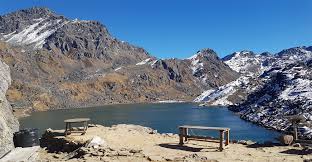
A major highlight of the trek, Gosaikunda Lake is a sacred site for both Hindus and Buddhists.
The lake is believed to have been created by Lord Shiva and is a pilgrimage destination, especially during the Janai Purnima festival.
Surrounded by stunning Himalayan peaks, the turquoise waters of the lake are truly breathtaking.
2. Langtang Valley – "Valley of Glaciers"
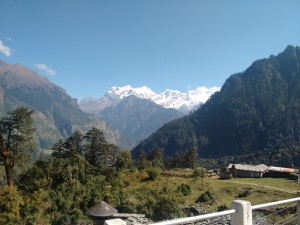
Explore the picturesque Langtang Valley, known for its dramatic landscapes, glacial moraines, and towering peaks.
The valley offers panoramic views of mountains like Langtang Lirung, Ganesh Himal, and Dorje Lakpa.
3. Kyanjin Gompa and Kyanjin Ri
Visit the ancient Kyanjin Gompa, a Buddhist monastery nestled in the heart of the Langtang Valley.
Hike to Kyanjin Ri (4,773m) or Tserko Ri (5,000m) for some of the best views of the Langtang range and surrounding glaciers.
4. Tamang Culture and Hospitality
Experience the unique culture of the Tamang people, an ethnic group with Tibetan roots.
Stay in traditional villages like Langtang Village and Mundu, where you can observe their lifestyle, architecture, and warm hospitality.
5. Laurebina Pass (4,610m)
Cross the challenging but rewarding Laurebina Pass, which connects the Langtang Valley to the Helambu region.
The pass offers stunning views of the Himalayas and a sense of accomplishment for trekkers.
6. Langtang National Park
Trek through Langtang National Park, a biodiversity hotspot home to rare wildlife like red pandas, Himalayan thars, and various bird species.
The park also features diverse flora, including rhododendron, oak, and bamboo forests.
7. Helambu Valley
After Gosaikunda, the trek continues through the serene Helambu Valley, known for its Hyolmo and Sherpa cultures.
The valley is less crowded and offers a peaceful end to the trek.
8. Stunning Himalayan Views
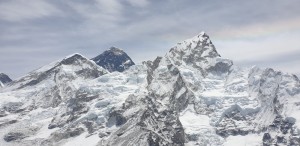
Enjoy breathtaking views of peaks like Langtang Lirung, Ganesh Himal, Dorje Lakpa, and Himalchuli.
The trek offers a mix of close-up mountain vistas and expansive panoramic views.
9. Spiritual and Religious Significance
The trek is deeply spiritual, with sacred sites like Gosaikunda Lake and Kyanjin Gompa.
Witness prayer flags, mani walls, and chortens along the trail, adding a reflective and peaceful atmosphere.
10. Teahouse Trekking Experience
Stay in cozy teahouses along the route, offering a chance to interact with locals and enjoy traditional Nepali meals like dal bhat, momo, and thukpa.
The teahouses provide basic but comfortable accommodations, adding to the authentic trekking experience.
11. Diverse Landscapes
The trek features a variety of landscapes, from lush forests and terraced fields to alpine meadows, glacial valleys, and high-altitude lakes.
Each day brings new and stunning scenery.
12. Off-the-Beaten-Path Adventure
Compared to more popular treks like Everest Base Camp or Annapurna Circuit, the Langtang Gosaikunda Trek is less crowded, offering a more intimate and peaceful experience.
The region is still recovering from the 2015 earthquake, and tourism plays a vital role in supporting local communities.
13. Natural Hot Springs at Tatopani
Relax and rejuvenate in the natural hot springs at Tatopani, known for their therapeutic properties.
14. Wildlife Spotting
Keep an eye out for wildlife like red pandas, Himalayan thars, and various bird species in Langtang National Park.
15. Accessibility
The trek starts from Syabrubesi, which is a 7-8 hour drive from Kathmandu, making it one of the more accessible trekking destinations in Nepal.
The Langtang Valley and Gosaikunda Trek is a breathtaking journey in Nepal, combining stunning Himalayan landscapes, rich cultural heritage, and spiritual significance. Located just north of Kathmandu, this trek is one of the most accessible and rewarding experiences in the region, perfect for adventurers seeking a mix of natural beauty and cultural immersion.
The trek begins in Syabrubesi, leading you through the picturesque Langtang Valley, often called the "Valley of Glaciers." Here, you’ll walk through lush rhododendron forests, traditional Tamang villages, and alpine meadows, with panoramic views of peaks like Langtang Lirung, Ganesh Himal, and Dorje Lakpa. The valley is also home to Langtang National Park, a biodiversity hotspot where you can spot rare wildlife like red pandas and Himalayan thars.
A major highlight of the trek is the sacred Gosaikunda Lake, a turquoise glacial lake revered by both Hindus and Buddhists. Surrounded by towering mountains, the lake holds deep spiritual significance, especially during the Janai Purnima festival. The trek also includes crossing the challenging Laurebina Pass (4,610m), offering breathtaking views and a sense of accomplishment.
The journey concludes in the serene Helambu Valley, known for its Hyolmo and Sherpa cultures. Along the way, you’ll stay in cozy teahouses, enjoying warm hospitality and traditional Nepali cuisine.
Ideal for trekkers of all levels, the Langtang Gosaikunda Trek is less crowded than other popular routes, offering a peaceful and authentic Himalayan experience. Whether you’re drawn to its natural beauty, cultural richness, or spiritual sites, this trek promises an unforgettable adventure.
Day 1: Drive from Kathmandu to Syabrubesi (1,460m)
Duration: 7-8 hours by jeep/bus.
Description: The journey begins with a scenic drive from Kathmandu to Syabrubesi, the starting point of the trek. The route passes through rural landscapes, terraced fields, and alongside the Trishuli River. You’ll enjoy glimpses of local life and the transition from the bustling city to the serene countryside.
Overnight: Teahouse in Syabrubesi.
Meal: Lunch and Dinner
Day 2: Trek from Syabrubesi to Lama Hotel (2,380m)
Duration: 5-6 hours.
Description: The trek starts with a gradual ascent through lush forests of rhododendron, oak, and bamboo. You’ll cross several suspension bridges and follow the Langtang River. Keep an eye out for wildlife like monkeys and colorful birds. The trail is peaceful, with the sound of the river accompanying you.
Overnight: Tea house in Lama Hotel.
Meal: Breakfast, Lunch, and Dinner
Day 3: Trek from Lama Hotel to Langtang Village (3,430m)
Day 4: Trek from Langtang Village to Kyanjin Gompa (3,870m)
Day 5: Acclimatization Day – Hike to Kyanjin Ri (4,773m) or Tserko Ri (5,000m)
Duration: 4-6 hours (round trip).
Description: Spend the day acclimatizing and exploring the area. Hike to Kyanjin Ri or Tserko Ri for panoramic views of the Langtang range, glaciers, and valleys. The hike is challenging but rewarding, offering some of the best views of the trek. Return to Kyanjin Gompa for the night.
Overnight: Teahouse in Kyanjin Gompa.
Meal: Breakfast, Lunch, and Dinner
Day 6: Trek from Kyanjin Gompa to Lama Hotel (2,380m)
Day 7: Trek from Lama Hotel to Thulo Syabru (2,200m)
Day 8: Trek from Thulo Syabru to Sing Gompa (3,330m)
Day 9: Trek from Sing Gompa to Gosaikunda Lake (4,380m)
Day 10: Trek from Gosaikunda Lake to Ghopte (3,440m) via Laurebina Pass (4,610m)
Day 11: Trek from Ghopte to Kutumsang (2,470m) and Drive to Kathmandu
-
-
Emergency Evacuation:
The trek is considered moderate in difficulty. It involves walking 5-7 hours per day on average, with some steep ascents and descents. The highest point is Laurebina Pass (4,610m), which can be challenging due to altitude. Proper acclimatization and a reasonable level of fitness are required.
The best times are:
Accommodation is in teahouses or lodges, which offer basic but comfortable rooms with shared bathrooms. In higher altitudes, facilities are more basic, and hot showers may cost extra.
Teahouses serve a variety of meals, including:
You can:
While it’s possible to trek independently, hiring a guide is highly recommended. A guide ensures safety, provides cultural insights, and helps with navigation, especially in remote areas. Porters can also be hired to carry your luggage.
Yes, altitude sickness can be a concern, especially when crossing Laurebina Pass (4,610m). To minimize risks:
Essential items include:
Yes, travel insurance is mandatory. It should cover:
Yes, most teahouses offer charging facilities, but they may charge a small fee (USD 2-5 per hour). It’s a good idea to carry a power bank.
No, there are no ATMs or banks beyond Syabrubesi. Carry enough Nepali cash (rupees) for the entire trek to cover meals, accommodations, and other expenses.
Yes, you can extend your trek to the Helambu Valley or combine it with the Tamang Heritage Trail for a more comprehensive cultural and scenic experience
Some teahouses offer Wi-Fi, but it’s often slow and may cost extra. It’s better to purchase a local SIM card (Ncell or NTC) for mobile data in lower regions.
In case of an emergency:
Yes, beginners with a good level of fitness can complete the trek. Proper preparation, including physical training and acclimatization, is key.
You can book through a This agency in Nepal . send us inquiry through online or Whats app +977 -984170005
| No of person | Price |
|---|---|
| 2+ member | $830 |
| 4+ Members | $720 |
| 8+ person | $680 |
| 12+ member | $660 |
| Group | contact us |