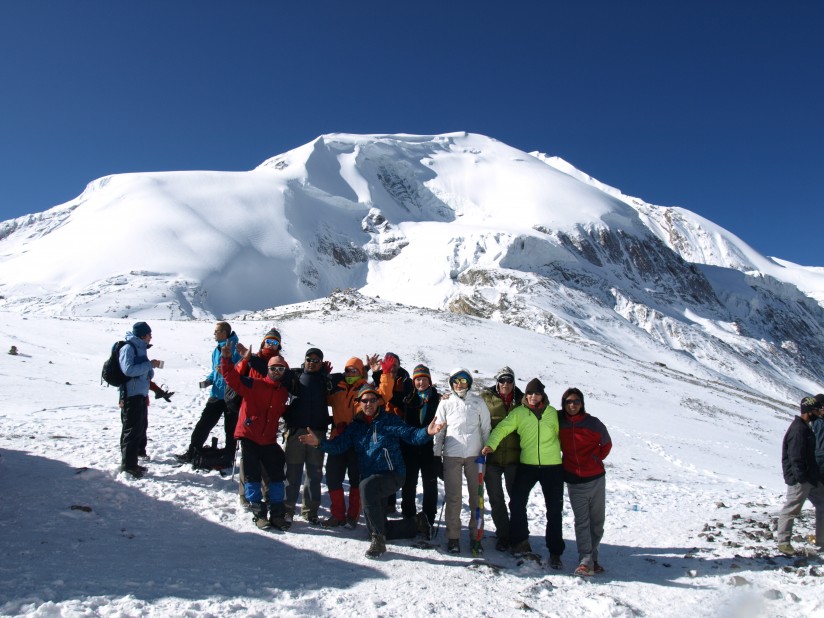

1. Thorong La Pass (5,416 meters)
2. Diverse Landscapes
3. Cultural Immersion
4. Manang Village (3,540 meters)
5. Muktinath Temple (3,760 meters)
6. Natural Hot Springs in Tatopani
7. Kali Gandaki Gorge (World’s Deepest Gorge)
8. Apple Orchards in Marpha
9. Annapurna Conservation Area
10. Sunrise Views from Poon Hill (Optional Side Trip)
11. Traditional Nepali Villages
12. High-Altitude Lakes (Tilicho Lake - Optional)
13. Jomsom and Kagbeni
14. Rich Biodiversity
15. Teahouse Trekking Experience
Why the Annapurna Circuit Trek is Unforgettable
The Annapurna Circuit Trek is more than just a trek; it’s a journey through diverse landscapes, cultures, and experiences. From crossing high mountain passes to exploring ancient villages and soaking in natural hot springs, every day on the trail brings something new and exciting. Whether you’re a seasoned trekker or a first-time adventurer, the Annapurna Circuit Trek promises memories that will last a lifetime.
Discover everything you need to know about the Annapurna Circuit Trek, including itineraries, cost, permit and tips. Plan your Himalayan adventure with this comprehensive Guide!
The Annapurna Circuit Trek is one of the most iconic and diverse treks in the world, offering an unparalleled blend of natural beauty, cultural richness, and physical challenge. Nestled in the heart of the Himalayas in Nepal, this trek takes you through a variety of landscapes, from lush subtropical forests and terraced farmland to arid high-altitude deserts and snow-capped peaks. The journey typically begins in the town of Besisahar and winds through traditional villages, allowing trekkers to experience the unique culture and hospitality of the Gurung, Thakali, and Manangi people. Along the way, you’ll cross the formidable Thorong La Pass, standing at 5,416 meters (17,769 feet), which is both a physical and mental highlight of the trek.
One of the most remarkable aspects of the Annapurna Circuit Trek is its incredible diversity. As you ascend, the scenery transforms dramatically, offering something new at every turn. The lower regions are characterized by verdant rice paddies, cascading waterfalls, and dense rhododendron forests, while the higher altitudes reveal stark, rugged landscapes dominated by towering peaks like Annapurna II, III, and IV, as well as Dhaulagiri and Machhapuchhre (Fishtail Mountain). The trail also passes through the Kali Gandaki Gorge, the deepest gorge in the world, adding a sense of awe and grandeur to the journey. Each day brings a fresh perspective, making the trek a feast for the eyes and a photographer’s dream.
Beyond its natural beauty, the Annapurna Circuit Trek is a cultural immersion like no other. The trail is dotted with ancient monasteries, chortens (Buddhist shrines), and prayer flags that reflect the deep spiritual heritage of the region. Trekkers have the opportunity to interact with local communities, learn about their traditions, and even stay in teahouses run by families who have lived in the area for generations. The warm hospitality of the locals, combined with the chance to taste traditional Nepali dishes like dal bhat (lentil soup with rice) and mo:mo (dumplings), adds a rich cultural dimension to the adventure. This cultural exchange is as rewarding as the physical journey itself.
While the Annapurna Circuit Trek is a bucket-list experience, it is not without its challenges. The high altitude, unpredictable weather, and long days of walking demand a good level of fitness and preparation. Proper acclimatization is crucial to avoid altitude sickness, especially when crossing Thorong La Pass. However, the sense of accomplishment upon completing the trek is immense, and the memories of the breathtaking landscapes, cultural encounters, and personal triumphs will stay with you forever. Whether you’re an experienced trekker or a determined beginner, the Annapurna Circuit Trek offers a life-changing adventure that showcases the very best of Nepal’s natural and cultural wonders.
Day 01: Drive to Besisahar & Jeep to Dharapani (1,860m) – 8-9 Hours
Your journey begins with a scenic drive from Kathmandu to Besisahar by bus, passing through lush hills, rivers, and small towns. From Besisahar, you’ll switch to a sharing jeep and continue along a rough off-road trail to Dharapani, a beautiful village surrounded by forests and mountains.
Meal: Dinner
Day 02: Trek from Dharapani to Chame (2,670m) – 5-6 Hours
The first trekking day takes you through dense pine forests, suspension bridges, and traditional villages with stunning views of Lamjung Himal, Annapurna II, and Annapurna IV. The trail gradually ascends to Chame, the district headquarters of Manang, where you can relax in natural hot springs.
Meal: Dinner
Day 03: Trek from Chame to Upper Pisang (3,300m) – 5-6 Hours
Following the Marsyangdi River, the trail winds through narrow gorges and pine forests, offering breathtaking views of Annapurna II. You’ll pass by Bhratang Apple Orchards before reaching Upper Pisang, where a stunning view of Annapurna III and IV awaits.
Meal: Breakfast-Lunch-Dinner
Day 04: Trek from Upper Pisang to Manang (3,540m) – 5-6 Hours
Take the scenic high route via Ghyaru and Ngawal, known for its breathtaking panoramic views of Annapurna and the Marsyangdi Valley. The trail then descends to Manang, the cultural heart of the region, where you can explore monasteries and traditional Tibetan-influenced houses.
Meal: Breakfast-Lunch-Dinner
Day 05: Acclimatization Day in Manang
A rest day to adjust to the high altitude. You can take short hikes to Ice Lake (4,600m), Bhojo Gompa, or Gangapurna Lake, offering stunning mountain views and helping your body acclimate.
Meal: Breakfast-Lunch-Dinner
Day 06: Trek from Manang to Ledar (4,200m) & Acclimatization Hike – 4-5 Hours
Leaving Manang, the trail gradually ascends through alpine pastures and yak grazing lands. Upon reaching Ledar, you’ll do an acclimatization hike to a higher altitude before returning to your lodge for the night.
Meal: Breakfast-Lunch-Dinner
Day 07: Trek from Ledar to Thorong Phedi (4,450m) & Acclimatization Hike – 3-4 Hours
A short but steep trek leads to Thorong Phedi, the base camp for Thorong La Pass. After reaching Phedi, you’ll hike up to High Camp (4,800m) for better acclimatization before descending back for rest.
Meal: Breakfast-Lunch-Dinner
Day 08: Cross Thorong La Pass (5,416m) & Trek to Muktinath (3,800m) – 7-9 Hours
Start trekking early in the morning with packed breakfast to cross Thorong La Pass, the highest point of the trek. The climb is challenging but rewards you with breathtaking sunrise views of the Himalayas. After celebrating at the top, descend to Muktinath, a sacred pilgrimage site for Hindus and Buddhists.
Meal: Breakfast-Lunch-Dinner
Day 09: Trek from Muktinath to Jomsom (2,720m) via Kagbeni – 5-6 Hours
A scenic descent takes you to Kagbeni, a historic Tibetan-style village that serves as the gateway to Upper Mustang. After exploring Kagbeni, continue trekking along the Kali Gandaki River to reach Jomsom, the headquarters of the Mustang district.
Meal: Breakfast-Lunch-Dinner
Day 10: Drive from Jomsom to Pokhara (Option for Flight) – 6-7 Hours
You can either take a scenic drive through the Kali Gandaki Gorge or opt for a short 20-minute flight from Jomsom to Pokhara. Spend the day relaxing by Phewa Lake, exploring Lakeside, or enjoying the vibrant cafes and restaurants in Pokhara.
Meal: Breakfast-Lunch-Dinner
Day 11: Drive from Pokhara to Kathmandu – 6-7 Hours
Return to Kathmandu by tourist bus or a 30-minute flight. Upon arrival, you can explore Thamel, Durbar Square, or shop for souvenirs.
Meal: Breakfast
Day 12: Departure from Kathmandu
After an incredible trekking experience, depart from Kathmandu International Airport for your onward journey
| No of person | Price |
|---|---|
| 2+ member | $890 |
| 4+ Members | $830 |
| 8+ person | $800 |
| 12+ members | $790 |
| Single supplementary | $200 |