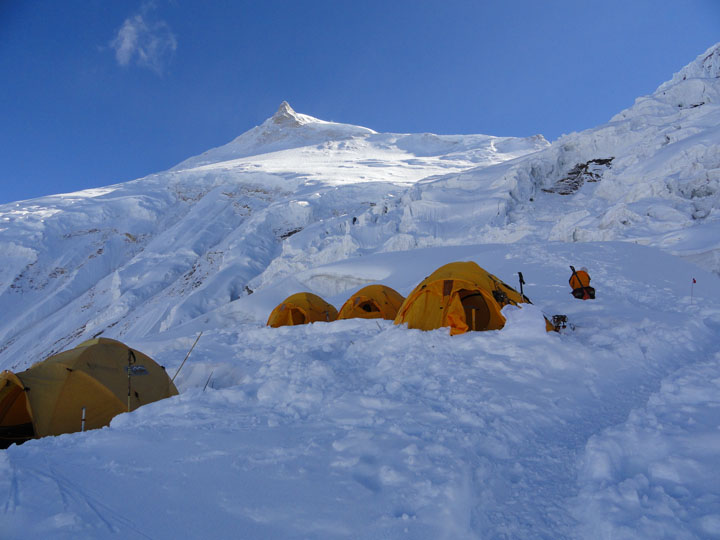

Climbing Mt. Manaslu, the eighth highest peak in the world at 8,163 meters (26,781 feet), is an extraordinary adventure that offers both immense challenges and unparalleled rewards. Located in the west-central part of Nepal, Manaslu is part of the Mansiri Himal range in the Himalayas. Its name, derived from the Sanskrit word "Manasa," meaning "intellect" or "soul," hints at the profound experience that awaits climbers who venture to its summit.
The journey to climb Manaslu typically begins with the scenic and less-traveled Manaslu Circuit Trek. Starting from the village of Arughat or Soti Khola, this trek takes climbers through lush subtropical forests, terraced fields, and remote Tibetan-influenced villages. One of the highlights of the trek is crossing the Larkya La Pass at 5,106 meters, which provides spectacular views of the surrounding peaks and sets the stage for the ascent of Manaslu.
Upon reaching the base camp, located at approximately 4,800 meters, climbers spend several days acclimatizing and preparing for the ascent. The climb involves setting up multiple higher camps (Camp I, II, III, and IV), each positioned strategically to manage the challenging terrain, including glacier traverses, steep ice, and snow slopes. The most commonly used route is the Northeast Face, which requires advanced mountaineering skills, especially in the higher sections where fixed ropes and crampons are essential.
The final push to the summit is typically launched from Camp IV, with climbers starting in the early hours to reach the top at dawn. The ascent demands not only physical endurance and technical climbing ability but also the ability to withstand extreme weather conditions and high altitudes. The reward, however, is immense: standing on the summit of Manaslu offers breathtaking panoramic views of the Himalayan range and a profound sense of accomplishment.
Safety and support are critical components of a successful Manaslu expedition. Experienced guides and Sherpas play an essential role, providing route finding, setting up camps, and carrying supplies. Proper physical conditioning, acclimatization, and familiarity with high-altitude climbing techniques are crucial to mitigate the risks associated with such an endeavor. Additionally, climbers are encouraged to respect the cultural heritage of the local communities and adhere to environmental sustainability practices to preserve the pristine nature of the region.
In summary, climbing Mt. Manaslu is a formidable challenge that combines the rigors of high-altitude mountaineering with the beauty of a remote and culturally rich landscape. For those prepared to face its demands, the journey to Manaslu’s summit offers an unforgettable experience and a profound sense of achievement, making it a coveted goal for mountaineers worldwide.
Day 01: arrival at Kathmandu and Transfer to your Hotel
Arrive at Kathmandu Airport, where you will be warmly welcomed and transferred to your hotel. This day allows you to rest and recover from your journey, acclimatize to the new environment, and prepare for the adventure ahead.
Day 2:
Today is dedicated to preparation for the expedition. Attend briefings that provide crucial information about the climb, complete last-minute shopping for any necessary gear or supplies, and handle all required formalities. This day ensures you are well-prepared and equipped for the trek.
Day 3:
Begin your journey with a drive from Kathmandu to Besisahar, situated at 950 meters. This scenic drive, which takes approximately six hours, offers glimpses of the beautiful countryside. Upon arrival, settle into a lodge for the night.
Day 4:
Continue your journey with a drive from Besisahar to Dharapani, which stands at 1300 meters. This leg of the trip, taking about five hours, brings you closer to the start of your trekking route. Spend the night in a lodge, enjoying the local hospitality.
Day 5:
Start your trek from Dharapani to Tilje, reaching an altitude of 2300 meters. The trek takes approximately six hours and passes through picturesque landscapes and charming villages. Overnight in a lodge at Tilje.
Day 6:
Trek from Tilje to Bhimtang, climbing to an altitude of 3590 meters. This six-hour trek provides stunning views of the surrounding mountains and valleys. Upon arrival in Bhimtang, rest and stay overnight in a lodge.
Day 7:
Spend the day in Bhimtang for rest and acclimatization. This rest day is crucial for adjusting to the higher altitude and preparing your body for the challenges ahead. Enjoy the serene environment and explore the area around Bhimtang.
Day 8:
Cross the formidable Larkya La Pass, standing at 5215 meters, and trek down to Shamdo at 3875 meters. This ten-hour trek is one of the most challenging and rewarding parts of the expedition, offering breathtaking views and a sense of accomplishment. Overnight in a lodge at Shamdo.
Day 9:
Trek from Shamdo to Sama Gaon, descending slightly to 3780 meters. This three-hour trek is relatively short, allowing you to recover from the previous day’s exertions. Spend the night in a lodge in Sama Gaon, a beautiful village with rich cultural heritage.
Day 10:
Trek from Sama Gaon to Manaslu Base Camp, located at 4700 meters. This four-hour trek brings you to the staging point for your climb. Set up camp and prepare for the climbing period ahead, surrounded by the stunning high-altitude scenery.
Day 11 to Day 32:
This period is dedicated to climbing Mt. Manaslu. Spend these days acclimatizing, preparing, and making your ascent to the summit at 8163 meters. This phase involves establishing higher camps, adjusting to the altitude, and making the final push to the summit. Experience full camping during this period, living in close quarters with your team.
Day 33:
Prepare for the return journey by cleaning up Base Camp and packing your equipment. This day ensures that you leave the area as you found it, preserving the pristine environment of the mountain.
Day 34:
Trek back from Manaslu Base Camp to Sama Gaon. Retrace your steps and enjoy the descent, spending the night in a lodge in Sama Gaon. This day provides a sense of closure and achievement as you leave the base camp behind.
Day 35:
Trek from Sama Gaon to Namrung, descending to 2550 meters. This five-hour trek takes you through familiar landscapes, offering a different perspective on the return journey. Overnight in a lodge at Namrung.
Day 36:
Continue your trek from Namrung to Philim village, situated at 2300 meters. This six-hour trek is filled with scenic views and cultural encounters. Spend the night in a lodge in Philim village.
Day 37:
Trek from Philim to Machha Khola, descending to 1330 meters. This part of the journey, taking about six hours, brings you closer to the end of your trekking adventure. Overnight in a lodge at Machha Khola.
Day 38:
Trek from Machha Khola to Soti Khola and then drive to Arughat at 950 meters. This combined trek and drive transition you from the rugged trails back to more accessible roads. Spend the night in a lodge in Arughat.
Day 39: Transfer to Kathmandu
Drive back to Kathmandu from Arughat, a journey of approximately seven hours. Upon arrival, return to your hotel and enjoy the comforts of city life. Reflect on your adventure and begin to unwind.
Day 40: D-briefing , rest and farewell dinner some of typical cultural restaurant.
A day for debriefing, rest, and contingencies. Attend debriefing sessions to discuss the expedition, rest, and enjoy a farewell dinner in Kathmandu. This day allows for relaxation and celebration of your achievements.
Day 41: Final departure
Transfer to the airport for your final departure. Say goodbye to Nepal, taking with you memories of an incredible adventure and the satisfaction of having summited Mt. Manaslu.
he best time to climb Mt. Manaslu is during the pre-monsoon (spring) season from late April to early June and the post-monsoon (autumn) season from late September to early November. These periods offer stable weather conditions, clear skies, and favorable climbing conditions.
Climbing Mt. Manaslu is considered a challenging expedition. It requires technical climbing skills, experience in high-altitude mountaineering, and excellent physical fitness. The route includes steep ice and snow slopes, crevasses, and potentially harsh weather conditions.
Yes, previous high-altitude climbing experience is essential. Climbers should have experience on other 6,000 to 7,000-meter peaks and be proficient in using climbing gear such as crampons, ice axes, and ropes.
The entire expedition typically takes about 41 days, including travel to and from Kathmandu, acclimatization, and the actual climb. The climbing period itself spans approximately 22 days.
Climbing Manaslu requires several permits: a Manaslu Restricted Area Permit, a Manaslu Conservation Area Permit (MCAP), and an Annapurna Conservation Area Permit (ACAP). Additionally, climbers need a climbing permit issued by the Nepal Mountaineering Association.
Accommodation varies throughout the expedition. In Kathmandu, climbers stay in hotels. During the trek, accommodation is in local lodges or teahouses. At Manaslu Base Camp and higher camps, climbers stay in tents.
The itinerary includes several acclimatization days to allow your body to adjust to the high altitude. Rest days and gradual ascent are crucial for reducing the risk of altitude sickness. Acclimatization hikes around base camps are also part of the acclimatization process.
Communication facilities are limited on the mountain. Some areas may have cell phone reception, but it is unreliable. Satellite phones are commonly used for communication above base camp. It’s advisable to inform your family about the limited communication options during the climb.
Climbers need specialized high-altitude climbing gear, including but not limited to:
Training should focus on building cardiovascular endurance, strength, and stamina. Activities such as running, hiking with a weighted backpack, strength training, and climbing practice are essential. High-altitude training and familiarization with using climbing gear are also highly recommended.
Meals are provided throughout the expedition. In Kathmandu and during the trek, meals are usually a mix of local and Western cuisine. At base camp and higher camps, meals are prepared by the expedition’s kitchen staff, ensuring a diet suitable for high-altitude conditions.
The main risks include altitude sickness, severe weather conditions, avalanches, crevasses, and falls. Proper acclimatization, physical preparation, and experienced guides significantly reduce these risks. Emergency evacuation plans and medical kits are part of the expedition safety measures.
Yes, comprehensive travel insurance that covers high-altitude trekking and mountaineering, including emergency evacuation and medical expenses, is mandatory. Ensure your insurance policy covers the altitude of Mt. Manaslu.
If a climber becomes sick or injured, they will be escorted to the nearest safe location for medical attention. In severe cases, helicopter evacuation may be required. Expedition teams are equipped with medical kits and staff trained in high-altitude first aid.
Mental preparation involves understanding the challenges and being ready for the physical and psychological demands of high-altitude climbing. Techniques such as visualization, meditation, and building mental resilience through prior challenging experiences can be beneficial. Discussing expectations and concerns with experienced climbers or guides can also help.
| No of person | Price |
|---|---|
| 1 person | US$18000 |
| 2 -5 Per person | US$16800 |
| 6-9 per person | US$ 16600 |
| 9- 14 per person | 16400 |
| Above | 15700 |