


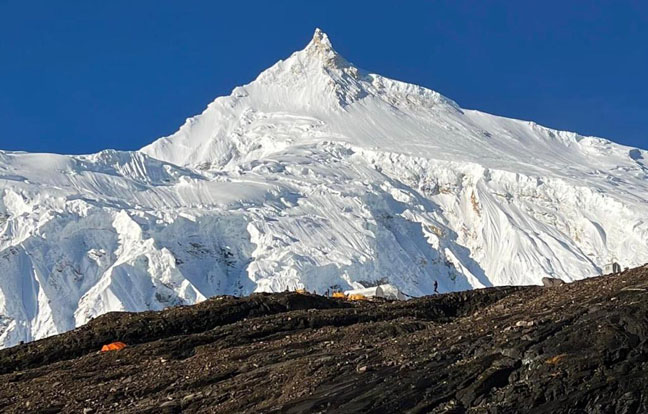
Manaslu Circuit Trek in September
2026-09-02 20:16 PMManaslu Circuit Trek in September 2026: Weather, Cost, Permits & Complete Guide
If you're thinking about the Manaslu Circuit Trek in September, you're asking the right question at the right time. September sits right at the edge of monsoon and the start of Nepal's most popular trekking season, and that timing matters a lot when you're walking through a remote, high-altitude region like Manaslu. This guide breaks down the weather, trail conditions, crowd levels, cost, and everything else you need to plan a smooth trek — written in plain language, no fluff.
Why Trek Manaslu in September?
September is the month when Nepal slowly shakes off the monsoon rains and the mountains start to reappear from behind the clouds. A few reasons trekkers love this window:
- Green, lush scenery. The monsoon rains leave the lower valleys covered in fresh greenery, terraced fields, and blooming forests — something you won't see later in the dry autumn months.
- Fewer crowds than October. October is Manaslu's busiest month. September gives you quieter teahouses, easier bookings, and a more peaceful trail, especially in the first half of the month.
- Waterfalls and rivers are at their fullest. The Budhi Gandaki river, which you follow for much of the trek, is dramatic and powerful this time of year.
- A head start on the autumn season. By late September, the weather stabilizes and you basically get an early taste of the classic autumn trekking conditions everyone talks about.
The trade-off is that early September still carries some monsoon risk, so this is a month of two halves — and knowing which half you're walking in makes all the difference.
Manaslu Weather in September
Manaslu's weather in September is a transition story. The trek passes through several climate zones, starting in subtropical river valleys around 700–1000 meters and climbing up to the Larkya La Pass at 5,106 meters, so conditions change a lot as you go up.
Lower elevations (Machha Khola to Deng): Warm and humid, with daytime temperatures around 20–28°C. Rain is still possible, especially in the first two weeks.
Mid elevations (Namrung to Samagaon): Cooler and fresher, daytime temps around 12–18°C, nights dropping close to freezing by the end of the month.
High elevations (Samdo, Dharamsala, Larkya La): Cold, especially at night. Expect daytime highs around 5–10°C and nighttime lows well below freezing, sometimes down to -10°C near the pass.
Rainfall drops noticeably as the month goes on. Early September can still see monsoon showers, but by the third week, skies clear up and mountain views become far more reliable.
Early, Mid and Late September: What to Expect
Not all of September is the same, so here's a simple breakdown:
Early September (1–10th): Still technically monsoon season in Nepal. Expect occasional heavy rain, leech-prone lower trails, and cloud cover that can hide mountain views. Landslide risk is at its highest in this window, particularly on the lower sections near Machha Khola and Jagat.
Mid September (11–20th): The transition period. Rain becomes less frequent and shorter in duration. Trails start drying out, and you'll get more clear mornings, even if afternoon clouds still roll in.
Late September (21–30th): This is when Manaslu really shines. Rain becomes rare, skies clear up significantly, and the mountain views open up. Many experienced trekkers consider the last week of September the unofficial start of the best trekking window of the year.
Bottom line: if your schedule is flexible, aim for a trek that starts in the third week of September or later for the best balance of good weather and lower crowds.
Manaslu Circuit Trek Trail Conditions
Trail conditions in September closely follow the weather pattern above.
- Lower trail (Soti Khola to Deng): Can be muddy and slippery in early September, with leeches common in the forested sections after rain. Landslide-prone areas near Jagat and Philim need extra caution, particularly if there's been heavy rain in the days before.
- Middle trail (Namrung to Samagaon): Conditions improve noticeably here. Trails are generally firm, and the forest and terraced village scenery is at its greenest.
- Upper trail (Samdo to Larkya La): Rocky and exposed, with the usual high-altitude trekking challenges — thinner air, cold winds, and possible early snow near the pass by late September.
A good pair of broken-in waterproof boots and trekking poles are worth their weight in gold on this route, especially in the first half of the month.
Larkya La Pass in September
The Larkya La Pass is the highlight — and the biggest physical challenge — of the whole trek. Sitting at 5,106 meters, it connects the Manaslu region to the Annapurna side near Bimthang.
In September, the pass is generally passable and snow-free in the earlier weeks, but by the last few days of the month, an early season snowfall isn't unusual. This isn't usually enough to block the route, but it does make footing trickier and mornings colder.
A few tips for crossing Larkya La in September:
- Start very early (usually 4–5 AM) to cross before winds pick up and clouds move in.
- Dress in proper layers — temperatures at the top can be well below freezing even if it's mild lower down.
- Build in a buffer day at Dharamsala or Samdo in case bad weather delays your crossing.
- Trust your guide's judgement on timing — conditions can change quickly this high up.
Manaslu Circuit Trek Itinerary – 14 Days
Here's a standard, well-paced 14-day itinerary that most trekking agencies follow. It includes proper acclimatization stops, which matter a lot on a trek that climbs past 5,000 meters.
| Day | Route | Approx. Altitude |
|---|---|---|
| 1 | Kathmandu to Machha Khola (drive) | 900 m |
| 2 | Machha Khola to Jagat | 1,340 m |
| 3 | Jagat to Deng | 1,860 m |
| 4 | Deng to Namrung | 2,630 m |
| 5 | Namrung to Lho | 3,180 m |
| 6 | Lho to Samagaon | 3,530 m |
| 7 | Acclimatization day in Samagaon | 3,530 m |
| 8 | Samagaon to Samdo | 3,860 m |
| 9 | Samdo to Dharamsala (Larkya Phedi) | 4,460 m |
| 10 | Dharamsala over Larkya La Pass to Bimthang | 3,720 m |
| 11 | Bimthang to Dharapani | 1,960 m |
| 12 | Dharapani to Kathmandu (drive) | 1,400 m |
| 13 | Buffer/rest day | — |
| 14 | Departure | — |
Some itineraries extend to 15–17 days by adding an extra Tsum Valley detour or an additional acclimatization day, which is a smart move if you have the time to spare.
Manaslu Circuit Trek Cost
Cost varies depending on whether you book a package or arrange things independently (note that solo trekking without a guide isn't allowed in this restricted region). As a general guide for 2026:
- Full package (guide, porter, permits, teahouse stay, meals, transport): roughly USD 900–1,300 for a 13–14 day trek.
- Permits alone: roughly USD 150–260 depending on trek length and exact dates (more on this below).
- Guide fees: around USD 25–40 per day.
- Porter fees: around USD 20–25 per day.
- Teahouse accommodation and meals: budget USD 25–35 per day if arranged separately from a package.
September sits within the "autumn" permit pricing bracket, so plan your budget with the higher seasonal rate in mind.
Permits and Guide Requirements
Manaslu is a restricted region, which means the permit process is stricter than more popular treks like Everest or Annapurna. You'll need three permits:
- Manaslu Restricted Area Permit (RAP) — Autumn (September–November) rate is USD 100 per person for the first 7 days, then USD 15 per person for each extra day.
- Manaslu Conservation Area Permit (MCAP) — Around USD 23–30 per person, valid for the full trip.
- Annapurna Conservation Area Permit (ACAP) — Around USD 23–30 per person, needed because the trail exits through the Annapurna Conservation Area near Dharapani.
A few important rules to know:
- Permits must be arranged through a registered trekking agency — you can't apply for the RAP yourself.
- A licensed guide is mandatory, and trekkers must travel in a minimum group of two in the restricted section.
- Bring extra passport photos and passport copies, since these are needed for permit paperwork.
What to Pack for Manaslu in September
Because September covers both warm, humid lower valleys and freezing high-altitude terrain, packing smart layers is key.
Clothing:
- Lightweight, quick-dry shirts for the lower valleys
- A waterproof rain jacket (essential for early September)
- Insulated down jacket for higher elevations and the pass crossing
- Fleece or wool mid-layers
- Waterproof trekking boots, broken in before the trip
- Trekking poles
Gear:
- 4-season sleeping bag (rated to at least -10°C) for nights near Samdo and Dharamsala
- Headlamp with spare batteries (useful for the early Larkya La start)
- Dry bags or waterproof pack liners for the rainy lower section
- Basic first-aid kit and altitude sickness medication (consult your doctor beforehand)
- Water purification tablets or a filter
Other essentials:
- Sunscreen and sunglasses (UV exposure is strong at altitude even on cloudy days)
- Leech socks or salt for the lower forested trail in early September
- Power bank, since electricity access becomes limited and pricier higher up
Who Should Trek Manaslu in September?
Manaslu in September works best for a specific type of trekker:
- Trekkers who want fewer crowds. If you've heard how packed October and peak autumn can get on popular routes, September (especially the first half) offers a quieter experience.
- Photographers who love green landscapes. The lush, post-monsoon scenery in the lower valleys is a big draw for anyone chasing that vivid green Himalayan look.
- Flexible travelers. Because early September carries some rain risk, this trek suits people who can build in buffer days and aren't locked into a rigid schedule.
- Physically prepared trekkers. The Larkya La Pass crossing is demanding regardless of season, so decent fitness and prior high-altitude experience (or careful acclimatization) matter.
If you specifically want guaranteed clear mountain views from day one and want to avoid any chance of rain, you might be better suited to October or early November. But if you don't mind some early-month uncertainty in exchange for green scenery and quieter trails, September is a genuinely rewarding choice.
Manaslu Circuit Trek vs Annapurna Circuit
These two treks are often compared since they're geographically close and share a finishing point near Dharapani. Here's how they stack up:
| Feature | Manaslu Circuit | Annapurna Circuit |
|---|---|---|
| Crowd levels | Low to moderate | High, especially in peak season |
| Permits | Restricted area — guide mandatory | Open — independent trekking allowed |
| Road access | Limited, mostly on foot | Roads now cut into much of the original route |
| Scenery | Wild, remote, traditional villages | Diverse but more developed and touristy |
| Highest point | Larkya La Pass (5,106 m) | Thorong La Pass (5,416 m) |
| Best for | Trekkers wanting a raw, less-commercial trail | First-timers wanting more facilities and flexibility |
In short: Manaslu offers a wilder, more traditional trekking experience with fewer people on the trail, while Annapurna offers more comfort, more choice in accommodation, and easier logistics. If solitude and authenticity matter more to you than convenience, Manaslu wins.
FAQs
Is September a good month for the Manaslu Circuit Trek? Yes, particularly the second half of the month. Early September carries monsoon leftovers, but from around the third week onward, weather and trail conditions improve significantly.
Will it rain during the Manaslu Circuit Trek in September? Possibly, especially in the first two weeks, mainly affecting the lower valley sections. Rain becomes much less likely as the month progresses.
Is the Larkya La Pass open in September? Yes, it's generally passable throughout September, though an early snowfall in the last few days of the month is possible.
Do I need a guide for the Manaslu Circuit Trek? Yes, a licensed guide is legally required since Manaslu is a restricted trekking area, and trekkers must go in groups of at least two.
How much does the Manaslu Circuit Trek cost in September? Expect to budget around USD 900–1,300 for a full 13–14 day package, including permits, guide, porter, food, and accommodation.
How difficult is the Manaslu Circuit Trek? It's considered a challenging but achievable trek for anyone with reasonable fitness and prior trekking or high-altitude experience. The main difficulty comes from the Larkya La Pass crossing at 5,106 meters.
Book Your Manaslu Circuit Trek
September gives you a genuine window into two seasons — the last of the monsoon's green magic and the first taste of clear autumn skies. If you're comfortable with a bit of early-month unpredictability and want to avoid the peak-season crowds, this is one of the smartest times of year to walk the Manaslu Circuit.
Ready to start planning? Reach out to a registered local trekking agency to lock in your permits, guide, and itinerary well ahead of your travel dates — spots fill up fast once the good weather window opens.