


Chitwan Package Tour Guide: Everything You Need to Know Before You Go
2026-08-31 20:11 PMChitwan Package Tour Guide: Everything You Need to Know Before You Go
If you've been scrolling through Nepal travel groups or asking around Thamel guesthouses about where to go after Kathmandu and Pokhara, chances are someone has already told you: go to Chitwan. It's the kind of place that doesn't show up on postcards the way Everest does, but almost everyone who visits ends up saying it was their favorite part of the trip. Rhinos wandering through tall grass, a slow canoe ride at sunrise with mist still sitting on the water, the low grunt of something large moving through the bushes just out of sight — Chitwan has a way of slowing you down after the noise of the cities.
But here's the thing nobody tells first-time visitors clearly enough: Chitwan isn't a place you just "show up" to and figure out on the spot, at least not if you want to actually see wildlife and not waste half your trip arranging things. Most people book a Chitwan package tour, and honestly, that's the smart move. The question then becomes which one — a 1 night package tour if you're short on time, a 2 night 3 days Chitwan package tour if you want a proper taste of the jungle, or a 3 night 4 days tour package if you want to really settle in and not rush anything.
This guide walks through all of it — what these packages actually include, how they differ, what you should know before booking, and what to expect once you're there. Think of it as the conversation a well-traveled friend would have with you over coffee before you book anything.
Why Chitwan Deserves a Spot on Your Nepal Itinerary
Chitwan National Park sits in the lowland Terai region of southern Nepal, a completely different world from the mountains most people associate with the country. It was Nepal's first national park, established back in 1973, and it became a UNESCO World Heritage Site in 1984 largely because of the effort to protect the one-horned rhinoceros, which had been hunted to dangerously low numbers.
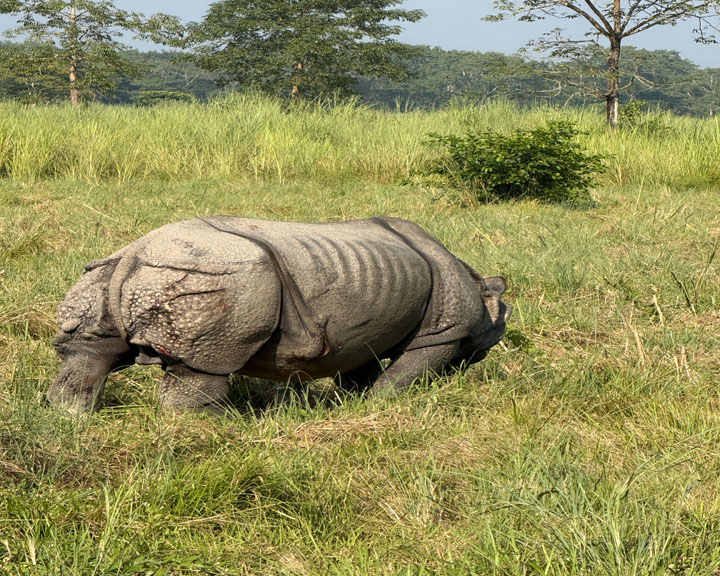
Today the park is home to over 700 one-horned rhinos, more than 68 species of mammals, and somewhere around 550 species of birds. There are also Bengal tigers here, though seeing one is rare and mostly a matter of luck — most visitors leave having seen rhinos, deer, monkeys, crocodiles, and an overwhelming number of birds, which is more than enough to make the trip worthwhile.
What makes Chitwan different from a lot of other wildlife destinations is that it isn't just about the animals. The Tharu people, the indigenous community of this region, have their own distinct culture, food, architecture, and dance traditions that predate the park itself. A good package tour weaves this cultural side in alongside the wildlife activities, so you're not just watching animals — you're getting a fuller picture of life in the Terai.
Before You Go: What You Actually Need to Know
The Weather Changes Everything
Chitwan sits at a much lower elevation than Kathmandu or Pokhara, and it shows. Summers here (April through June) can get brutally hot and humid, often crossing 35°C, and the tall grass that provides such good cover for wildlife-spotting during winter grows even taller, making animals harder to see. Monsoon season, roughly June through September, brings heavy rain, muddy trails, and swollen rivers — some activities like canoeing get suspended altogether when water levels are unsafe.
The sweet spot is October through March. The grass has usually been cut back (there's an annual grass-cutting period, generally in January, when locals harvest it for thatching and animal fodder), visibility improves dramatically, and the weather is pleasant — cool mornings, warm afternoons. If you're flexible with your travel dates, this is the window to aim for.
You Need at Least One Full Day, Ideally Two
This is probably the single biggest mistake people make. A lot of travelers try to squeeze Chitwan into a rushed day trip from Kathmandu or Pokhara, and while that's technically possible, it barely scratches the surface. Wildlife sightings depend heavily on timing — early morning and late afternoon are when animals are most active — and a single rushed day usually means you catch one activity slot and miss the rest.
This is exactly why the standard package structures exist. A 1 night package tour gives you a compressed but reasonably complete experience if you're tight on time. A 2 night 3 days Chitwan package tour is the most popular option because it fits in a proper jungle safari, a canoe ride, a village or cultural visit, and doesn't feel rushed. A 3 night 4 days tour package gives you breathing room — a spare morning or afternoon to repeat an activity, sit by the river, or just relax at the resort instead of running from one thing to the next.
Permits Are Usually Included, But Confirm It
Entry into Chitwan National Park requires a permit, and vehicles or guides entering with you typically need separate authorization too. Almost every package tour bundles this into the price, but it's worth double-checking before you pay, especially with budget operators. The last thing you want is a surprise fee at the park gate.
Elephant-Back Safaris Are Becoming Less Common — And That's a Good Thing
For years, elephant-back jungle safaris were the signature Chitwan activity. In recent years, there's been a strong and welcome shift away from this, driven by animal welfare concerns about how captive elephants are treated and trained. Many responsible operators have phased out elephant rides entirely, replacing them with jeep safaris, walking safaris with armed guides, and elephant bathing experiences at designated centers (which itself is a topic with its own ethical debates, so ask questions if this matters to you). If riding an elephant is something you were expecting, it's worth knowing this landscape has changed, and choosing operators who prioritize animal welfare is generally the better call.
Malaria Risk Is Low But Not Zero
The lowland Terai does carry some risk of mosquito-borne illness, though it's considered low, especially outside monsoon season. Most travelers don't take antimalarial medication for a short Chitwan visit, but packing a decent insect repellent, covering up during dawn and dusk (when mosquitoes are most active anyway, which also happens to be prime wildlife-viewing time), and checking current health advisories before you travel are all sensible precautions.
Cash Is King in Sauraha
Sauraha, the main tourist hub bordering the park, has ATMs, but they're not always reliable, and a lot of smaller vendors, rickshaw drivers, and shops prefer cash. Bring more Nepali rupees than you think you'll need, especially if your package doesn't cover meals, drinks, or tips.
How to Get to Chitwan
Getting to Chitwan is straightforward, which is part of why it pairs so well with a Kathmandu-Pokhara-Chitwan loop.
By road from Kathmandu: The drive takes roughly 5 to 6 hours depending on traffic and road conditions, covering around 150 kilometers. Tourist buses run daily and are a comfortable, affordable option. Private jeep or car transfers are faster and more flexible, and many package tours include this transfer as part of the deal.
By road from Pokhara: This route takes about 5 to 6 hours as well, covering roughly 140-150 kilometers, and is a common leg for travelers doing the classic Kathmandu-Pokhara-Chitwan circuit in reverse or as a loop.
By air: There's a small airport in Bharatpur, near Chitwan, with short domestic flights from Kathmandu taking around 20-25 minutes. This is the fastest option if you're short on time or want to avoid a long drive, though it costs more than the bus.
Most Chitwan package tour operators handle this transfer for you as part of the booking, particularly for the 2-night and 3-night packages, so you don't need to arrange it separately unless you prefer traveling independently and joining activities once you arrive.
Breaking Down the Package Options
Let's get into the actual packages, since this is what most people searching for a trip to Chitwan actually want clarity on.
1 Night Package Tour (1 Night 2 Days)
This is the option for people who are short on time but still want a genuine taste of Chitwan rather than skipping it entirely. It typically looks something like this:
Day 1: Arrival in Chitwan (either via your own transport or an included transfer), check-in at a resort or lodge, lunch, and then an afternoon activity — usually a jungle walk or a canoe ride along the Rapti River, followed by a visit to a Tharu cultural program in the evening, which usually includes traditional stick dance performances and sometimes a fire dance.
Day 2: An early morning activity, often a jungle walk or a visit to an elephant breeding center or the local Tharu museum, followed by breakfast, checkout, and departure.
The honest truth about a 1 night 2 days chitwan tour package is that it's a compressed experience. You'll get a genuine feel for the place and likely see some wildlife, particularly birds, deer, and possibly rhinos if you're lucky, but you probably won't have time for a full jeep safari through the deeper parts of the park, and there's very little buffer time if an activity gets delayed or weather interferes. It works best for travelers who are extending a longer Nepal trip and simply can't spare more than two days, or for those combining Chitwan as a quick stopover between Kathmandu and Pokhara.
2 Night 3 Days Chitwan Package Tour
This is the sweet spot, and it's the most commonly booked package for good reason. It gives you enough time for the core activities without feeling rushed, while still being manageable for travelers who don't want to dedicate too much of their overall Nepal itinerary to one location.
Day 1: Arrival and transfer to Chitwan, lunch at the resort, an afternoon village walk through a nearby Tharu village to see the traditional mud-and-thatch houses and daily life, followed by the evening cultural dance program.
Day 2: This is the core wildlife day. Most 2 night 3 days Chitwan package tour itineraries include an early morning jungle activity — either a jeep safari or a guided walking safari with armed park rangers — followed by breakfast, then a midday canoe ride down the Rapti or Narayani River (a slow, quiet float that's one of the best times to spot crocodiles and birdlife), and an afternoon visit to the elephant breeding center or a nature/bird-watching walk. Evenings are usually free or include a sunset viewing from a nearby watchtower.
Day 3: A final morning activity, often another shorter jungle walk or a visit to the Chitwan National Park visitor center and museum, before breakfast, checkout, and departure.
This package format hits the balance most travelers are after — it covers the jeep safari, the canoe ride, a village visit, and the cultural show, all without feeling like you're being rushed from one activity to the next. If you're only going to book one type of Chitwan package, this is generally the one worth prioritizing.
3 Night 4 Days Tour Packages
For travelers who love wildlife, birdwatching, or simply want a slower, more immersive pace, the 3 night 4 days Chitwan Nation park tour packages are worth the extra time. The core activities remain similar to the 2-night package, but with an added day, you get real flexibility.
Day 1: Arrival, check-in, afternoon village walk, evening cultural show.
Day 2: Morning jeep or walking safari, canoe ride, afternoon nature walk or elephant center visit.
Day 3: This is where the extra day pays off. Many operators use this day for a specialized bird-watching excursion (Chitwan is genuinely one of the best birding spots in Nepal, with serious birders coming specifically for species like the Bengal florican and various kingfishers), a visit to the Twenty Thousand Lake area (Bis Hazari Tal), or a second, deeper jeep safari into a different zone of the park to increase your chances of spotting a tiger or sloth bear. Some packages also build in downtime here — a chance to relax by the river, get a Tharu-style meal cooking demonstration, or just enjoy the resort grounds without a packed schedule.
Day 4: Final morning activity, breakfast, checkout, and departure.
The 3 night 4 days tour package is ideal for serious wildlife photographers, birders, or anyone who simply doesn't want to feel like they're checking boxes. It also builds in a buffer — if bad weather cancels a canoe ride on day two, there's still room to fit it in later, which isn't something the shorter packages can absorb as easily.
Longer Packages and Custom Itineraries
Some travelers, particularly serious birdwatchers, photographers, or researchers, opt for 4-night or even week-long stays. These aren't as commonly pre-packaged and are usually arranged as custom itineraries directly with a lodge or tour operator. If you fall into this category, it's worth reaching out to resorts directly rather than searching for a fixed package, since they can tailor activities around specific interests like bird photography or in-depth cultural immersion with Tharu families.
What's Typically Included (and What Isn't)
Package inclusions vary by operator, but here's a general sense of what to expect and what to double-check before booking.
Usually included:
- Accommodation for the number of nights booked
- All meals during the stay (breakfast, lunch, dinner) — though drinks are often extra
- Park entry permits and activity permits
- Guided activities as listed in the itinerary (jungle walks, canoe rides, jeep safaris, village tours)
- The Tharu cultural dance program
- A local English-speaking guide
Sometimes included, sometimes not:
- Transportation to and from Kathmandu or Pokhara — this is a big one to clarify, since it significantly affects the total price
- Bottled water and beverages
- Tips and gratuities for guides and staff
- Travel insurance
Rarely included:
- International or domestic flights
- Personal expenses, souvenirs, and alcohol
- Additional activities beyond the standard itinerary (like a specialized birding tour or a longer jeep safari)
Before booking any Chitwan package tour, it's worth getting a clear, itemized list from the operator rather than relying on a vague "all-inclusive" label. This is especially true for the transfer from Kathmandu or Pokhara, since some budget packages quote a low price that only covers the in-Chitwan portion, with transport priced separately.
Choosing Where to Stay
Accommodation in and around Chitwan ranges enormously, from basic guesthouses in Sauraha to upscale eco-resorts tucked right against the park boundary. A few things worth knowing:
Resorts inside or bordering the park (often called "jungle resorts" or "concession area resorts") tend to be pricier but offer a more immersive experience — you might hear animal calls at night, and some have direct access to activities without a long commute each morning. These are common in the Meghauli and Kasara areas.
Sauraha-based lodges are more budget-friendly and put you closer to restaurants, bars, and the general tourist buzz, with a short walk or rickshaw ride to the park entrance and river.
Most package tours bundle a specific property into the price, but if you're comparing options, it's worth asking exactly where the resort is located relative to the park and river, since "near Chitwan" can sometimes mean a 20-30 minute drive rather than a short walk.
The Core Activities, Explained
Jungle Safari (Jeep/elephant ride or Walking)
This is the headline activity for most visitors. Jeep safaris cover more ground and are a good option for spotting rhinos, deer, and possibly larger predators, while walking safaris (always with an armed guide, for genuine safety reasons — this isn't just for show) offer a quieter, more immersive experience and are often better for spotting birds and smaller wildlife up close. Many packages include one of each.
Canoe Ride
A slow float down the Rapti or Narayani River, typically in a traditional dugout canoe. This is consistently one of travelers' favorite parts of the trip — quiet, scenic, and a great opportunity to spot crocodiles (both the mugger and the critically endangered gharial species are found here) and a wide range of waterbirds.
Tharu Cultural Program
An evening dance performance by local Tharu performers, often including the stick dance and, in some shows, a dramatic fire dance. It's touristy in the sense that it's performed nightly for visitors, but it's also a genuine window into a distinct cultural tradition, and most travelers find it a highlight rather than a gimmick.
Village Walk
A guided walk through a nearby Tharu village, seeing traditional houses built from mud, cow dung, and thatch, and getting a sense of daily rural life in the Terai. Good guides will explain the architecture, farming practices, and social structure of Tharu communities, which adds real context to everything else you're seeing.
Elephant Breeding Center
A visit to see elephants (including calves) that are part of a government breeding and conservation program. This is a more passive, observational visit rather than a hands-on activity, and it's worth asking your operator about the current ethical standards of whichever center is included in your package.
Bird Watching
Whether it's a dedicated activity or just something that happens naturally during walks and canoe rides, Chitwan's bird diversity is genuinely remarkable. If birding is a priority for you, mention it when booking — some operators can pair you with a guide who specializes in it.
A Rough Sense of Pricing
Prices for Chitwan package tours vary widely depending on the season, the resort standard, group size, and whether transport is included, so treat any specific number as a rough guide rather than a fixed rule. Budget travelers booking a basic package with local transport (bus) and simple guesthouse accommodation can expect to pay considerably less than those booking a private jeep transfer and a higher-end jungle resort. Group tours are generally cheaper per person than solo or private bookings, and prices climb during peak season (October through February) compared to the shoulder or monsoon months.
Rather than chasing the absolute cheapest option, it's worth comparing what's actually included across a few operators. A slightly more expensive package that includes transport, all permits, and a wider range of activities often works out better value than a cheap base price with everything else charged separately.
Sample Packing List for Chitwan
- Light, breathable clothing in neutral colors (khaki, olive, brown) — bright colors and white can spook wildlife and attract insects
- A light jacket or fleece for cool mornings and evenings, especially in winter (December-February can get surprisingly chilly before sunrise)
- Comfortable, closed walking shoes for jungle walks
- Insect repellent, ideally one with DEET
- Sunscreen and a hat
- A basic first aid kit with any personal medication
- Binoculars, if you're serious about spotting wildlife or birds from a distance
- A power bank, since some lodges have limited charging access or scheduled electricity
- Cash in Nepali rupees for tips, drinks, and incidentals
Common Questions People Have Before Booking
Is Chitwan worth it if I've already done a mountain trek? Yes, and honestly the contrast is part of the appeal. After days in the cold, high-altitude quiet of the Himalayas, the humid, dense, wildlife-filled lowland of Chitwan feels like a completely different country. Most travelers who do both come away saying they're glad they didn't skip either.
Can I combine Chitwan with Pokhara and Kathmandu in one trip? Absolutely, and this is actually the most common way people structure their Nepal itinerary — Kathmandu, then Pokhara, then Chitwan (or the reverse), using road transfers between each. A 2 night 3 days Chitwan package tour fits neatly into this kind of loop without eating too much of your overall trip.
How likely am I to actually see a rhino? Quite likely, especially during a jeep safari in the dry winter months when grass is shorter. Rhino sightings are common enough that most operators would consider it unusual, though not impossible, for a group to see none at all during a 2-3 day visit.
Is it safe? Walking safaris always go with an armed park guide precisely because Chitwan has genuinely wild animals, including rhinos and occasionally tigers, that can be dangerous if approached carelessly. Following your guide's instructions closely, not wandering off on your own, and taking the safety briefings seriously matters here more than in most tourist activities.
Which package should I actually book? If you're pressed for time, the 1 night package tour will still give you a real sense of the place. If you want the best overall balance of activities without feeling rushed, the 2 night 3 days Chitwan package tour is the one most travelers end up recommending to friends. And if wildlife, birding, or photography is a genuine passion rather than a box to tick, the 3 night 4 days tour package gives you the room to actually enjoy it rather than race through it.
Final Thoughts
Chitwan has a rhythm that's different from the rest of Nepal. There's no rush here, and honestly, trying to rush it kind of defeats the purpose. Whether you end up booking a quick one-night stay, the popular two-night, three-day package, or a fuller three-night, four-day stretch, what matters most is going in with realistic expectations about timing, choosing an operator that's upfront about inclusions, and giving yourself enough time in the park for the animals — and the place itself — to actually reveal themselves to you.
Book the package that fits your schedule, but don't shortchange yourself if you can help it. A sunrise canoe ride, a rhino grazing thirty meters from your jeep, the sound of Tharu drums carrying across the resort grounds at night — these are the moments people remember long after the rest of a Nepal trip has blurred together. Give Chitwan the time it deserves, and it tends to give quite a lot back.