


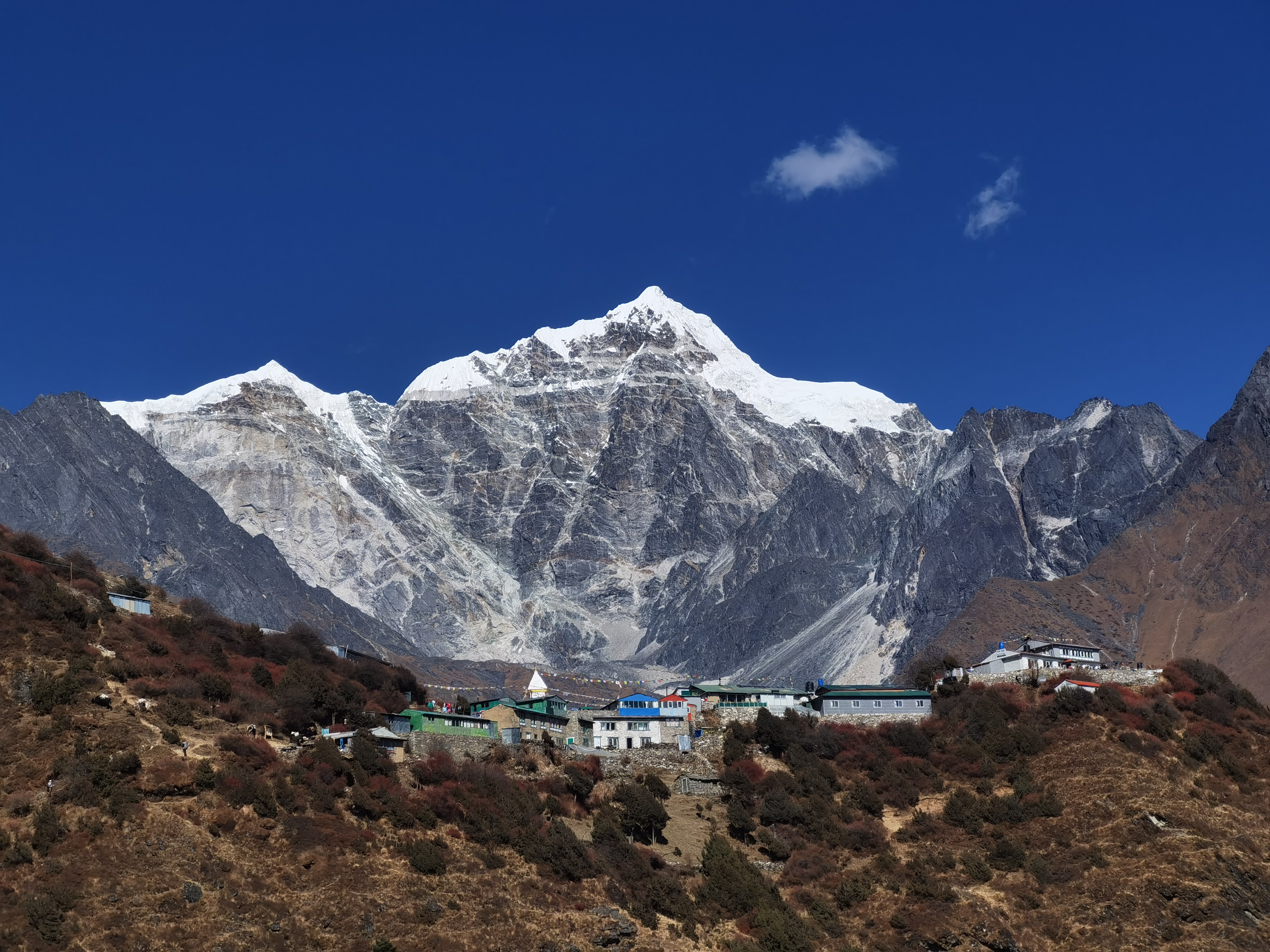
Beyond Everest Base Camp: 7 Underrated Treks in Nepal (Plus Everything You Need to Plan Your Trip)
2026-09-10 07:59 AMEverest Base Camp Trek gets all the attention — and for good reason. But Nepal has dozens of trekking routes that offer equally stunning mountain views, richer cultural encounters, and a fraction of the crowds. If you've done EBC already, or simply want something quieter and more personal, these seven treks deserve a spot on your list.
This guide covers the trails themselves, plus the practical details you actually need before booking: permits, costs, best months to go, and safety basics.
Why Look Beyond EBC?
Everest Base Camp is beautiful, but during peak season (October–November and March–April) the trail can feel like rush hour, teahouses fill up fast, and prices climb. The treks below offer:
- Similar or better mountain scenery
- Far fewer trekkers on the trail
- Deeper cultural immersion (many pass through Gurung, Tamang, Thakali, and Loba villages)
- Often lower costs and shorter permit queues
1. Mardi Himal Trek
Region: Annapurna | Duration: 5–7 days | Max altitude: ~4,500m A short, sharp trek through rhododendron forest that suddenly opens onto a knife-edge ridge with Machapuchare (Fishtail) staring right back at you. It's one of the most dramatic payoffs-per-effort ratios in Nepal.
Best for: People with limited time who still want a real high-altitude experience. Best season: October–December and March–May.
Mardi Himal Base camp Trek — 5-Day Itinerary
- Day 1: Kande → Pothana → Deurali (trek start, forest trail)
- Day 2: Deurali → Forest Camp / Low Camp
- Day 3: Low Camp → High Camp (rhododendron forest gives way to open ridge)
- Day 4: High Camp → Mardi Himal View Point → back to Low Camp
- Day 5: Low Camp → Siding → drive to Pokhara
2. Upper Mustang Trek
Region: Trans-Himalayan, near the Tibetan border | Duration: 10–14 days | Max altitude: ~3,840m (Lo Manthang) A desert-like landscape of eroded canyons, red cliffs, and centuries-old Buddhist monasteries. Upper Mustang was a restricted kingdom until 1992 and still requires a special permit, which keeps numbers low.
Best for: Travelers who want landscape and culture over strenuous altitude gain — and who can visit even in monsoon, since it sits in a rain shadow. Best season: June–September (uniquely, monsoon is ideal here) and also spring/autumn.
Upper Mustang Trek — 7-Day Itinerary (short version)
- Day 1: Fly Pokhara → Jomsom, trek to Kagbeni
- Day 2: Kagbeni → Chele
- Day 3: Chele → Syangbochen
- Day 4: Syangbochen → Ghami
- Day 5: Ghami → Charang → Lo Manthang (walled city, monasteries)
- Day 6: Explore Lo Manthang and nearby caves/gompas
- Day 7: Begin return trek or fly back via Jomsom
3. Rara Lake Trek
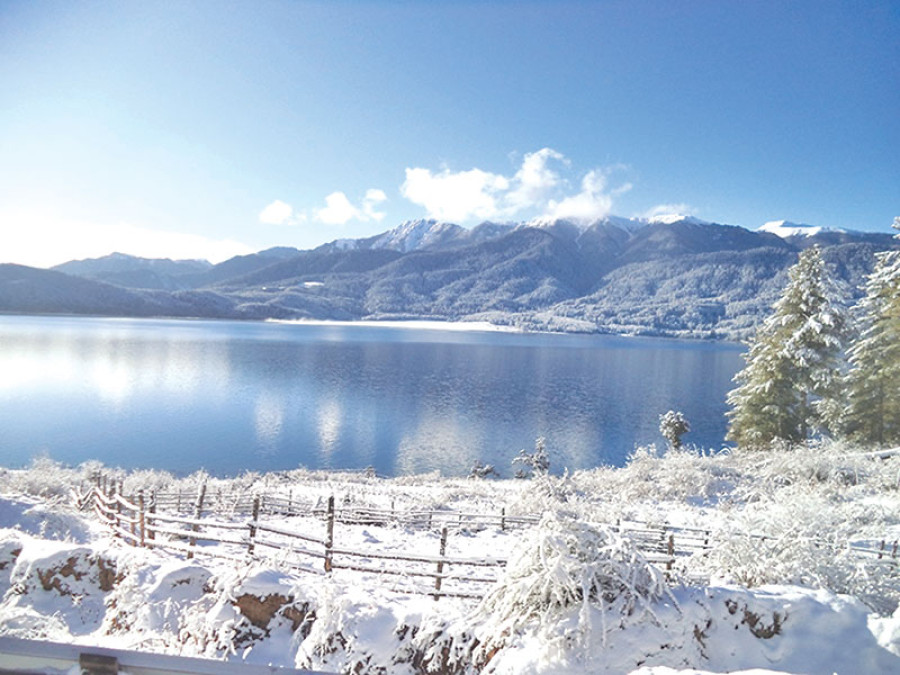
Region: Far-western Nepal | Duration: 7–10 days | Max altitude: ~3,700m Home to Nepal's largest lake, sitting inside Rara National Park. This region sees a tiny fraction of Nepal's trekking traffic simply because it's remote and requires a flight to Talcha or Jumla.
Best for: Travelers who want total solitude and don't mind extra logistics. Best season: April–June and September–November.
Rara Lake Trek — 7-Day Itinerary
- Day 1: Fly Kathmandu/Nepalgunj → Talcha, trek to Murma
- Day 2: Murma → Rara Lake shore
- Day 3: Explore Rara Lake, viewpoint hike
- Day 4: Rara Lake → Gorosingha
- Day 5: Gorosingha → Bhulbhule
- Day 6: Bhulbhule → Jumla
- Day 7: Fly Jumla → Nepalgunj/Kathmandu
4. Khopra Ridge / Khayer Lake Trek
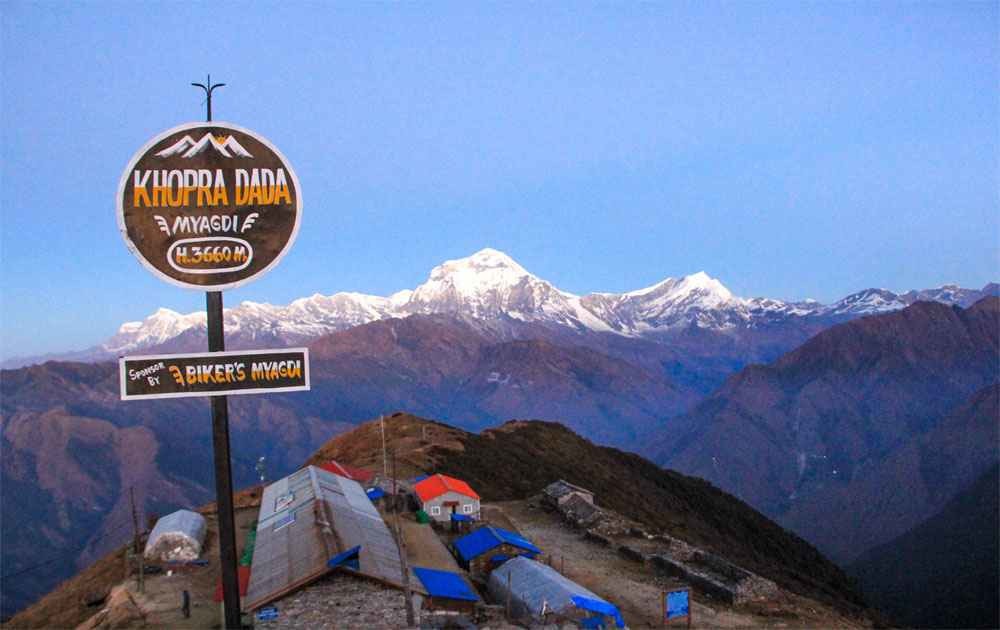
Region: Annapurna | Duration: 6–8 days | Max altitude: ~4,660m A community-run trekking route with lodges managed by local villages, offering panoramic views of Dhaulagiri and Annapurna without the crowds of the classic Annapurna Circuit.
Best for: Trekkers who want a moderate challenge with strong community-tourism impact. Best season: October–December, March–May.
Khopra Ridge / Khayer Lake Trek — 6-Day Itinerary
- Day 1: Pokhara → Nayapul → Tikhedhunga
- Day 2: Tikhedhunga → Ghorepani
- Day 3: Ghorepani → Swanta/Chistibang
- Day 4: Chistibang → Khopra Danda (ridge views)
- Day 5: Khopra Danda → Khayer Lake → back to Khopra Danda
- Day 6: Khopra Danda → Ghorepani/Nayapul → drive to Pokhara
5. Tsum Valley Trek
Region: Manaslu area | Duration: 10–14 days | Max altitude: ~3,700m A hidden valley historically closed to outsiders, home to strong Tibetan Buddhist traditions, ancient gompas, and a landscape that feels untouched by mass tourism.
Best for: Culturally curious travelers who want monasteries and mountains in equal measure. Best season: March–May, September–November.
Tsum Valley Trek — 8-Day Itinerary
- Day 1: Drive Kathmandu → Soti Khola
- Day 2: Soti Khola → Machha Khola
- Day 3: Machha Khola → Jagat, entering Tsum Valley trail
- Day 4: Jagat → Chumling
- Day 5: Chumling → Chhokangparo
- Day 6: Chhokangparo → Mu Gompa (highest point, ancient monastery)
- Day 7: Mu Gompa → Rachen Gompa
- Day 8: Rachen Gompa → Chumling → Jagat (return begins)
6. Ruby Valley Trek

Region: Between Langtang and Manaslu | Duration: 7–10 days | Max altitude: ~3,700m A newer, low-altitude route through Tamang and Gurung villages with hot springs, terraced farmland, and wide Himalayan views — one of the least crowded treks in central Nepal.
Best for: First-time trekkers or those wanting a gentler introduction to Himalayan trekking. Best season: October–April (relatively accessible year-round due to lower altitude).
Ruby Valley Trek — 6-Day Itinerary
- Day 1: Drive Kathmandu → Somdang
- Day 2: Somdang → Pangsang Pass → Tipling
- Day 3: Tipling → Shertung
- Day 4: Shertung → Borang (hot springs nearby)
- Day 5: Borang → Darkha
- Day 6: Darkha → drive back to Kathmandu
7. Pikey Peak Trek
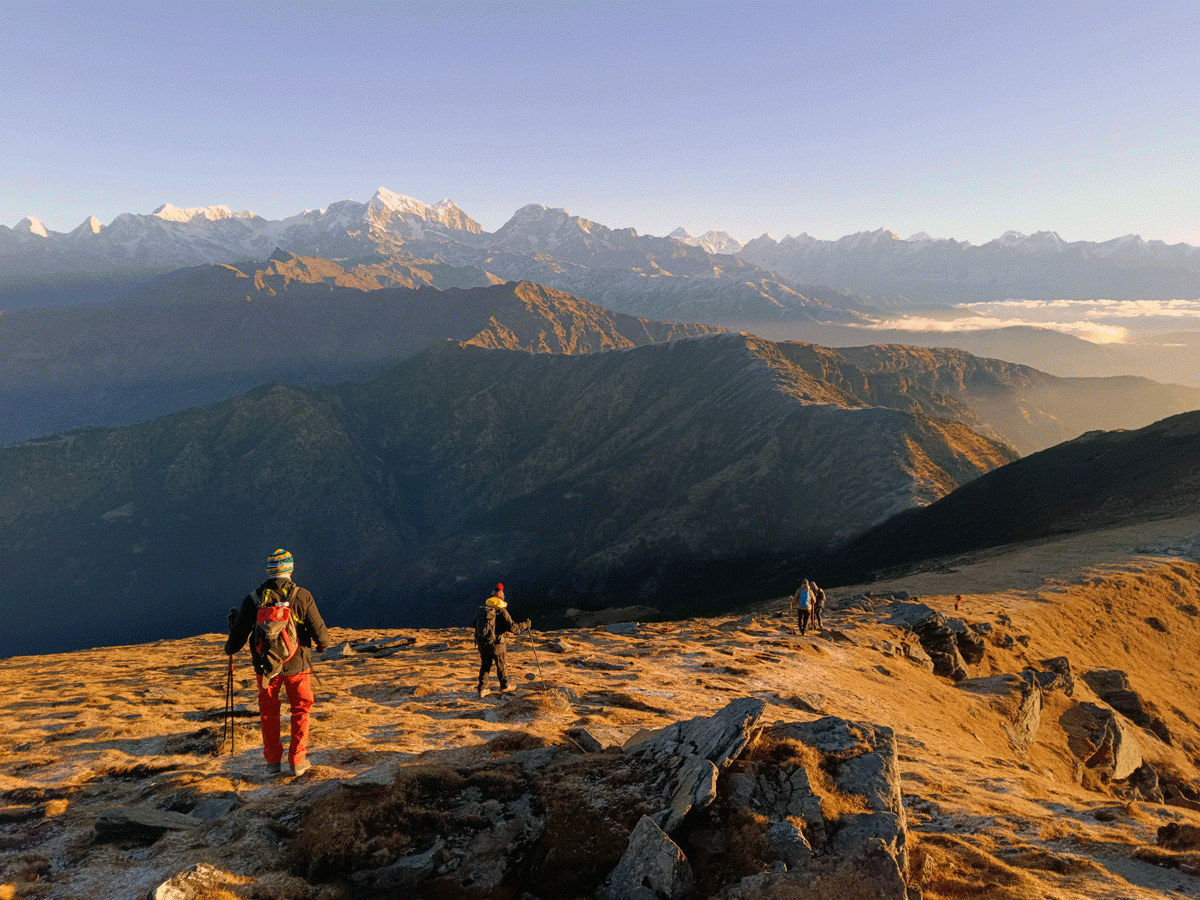 Region: Solu-Khumbu (near Everest region, but a different route) | Duration: 5–7 days | Max altitude: ~4,065m Sir Edmund Hillary reportedly called the view from Pikey Peak the best of Everest he'd seen. It's a short trek through Sherpa villages with sweeping panoramas of Everest, Makalu, and Kanchenjunga — without setting foot on the busy Khumbu trail.
Best for: Anyone short on time who still wants an Everest-region view. Best season: October–December, March–May.
Pikey Peak Trek — 6-Day Itinerary
- Day 1: Drive Kathmandu → Jiri or fly to Phaplu
- Day 2: Jiri/Phaplu → Bhandar or Junbesi
- Day 3: Junbesi → Pikey Base Camp
- Day 4: Sunrise at Pikey Peak (Everest, Makalu, Kanchenjunga views) → descend to Jhapre
- Day 5: Jhapre → Chheskam or Phaplu
- Day 6: Drive/fly back to Kathmandu
Practical Planning: What You Actually Need to Know
Permits
Most treks in Nepal require one or more of the following:
- TIMS Card (Trekkers' Information Management System) — required for independent trekkers on most routes.
- National Park / Conservation Area Permit — e.g., ACAP for Annapurna region treks (Mardi Himal, Khopra), or the relevant park fee for Rara.
- Restricted Area Permit — required for Upper Mustang and Tsum Valley, and only issued through a registered trekking agency, with a minimum group size in some cases.
Permit costs and rules change periodically, so confirm current fees with a licensed agency or Nepal's Department of Immigration before you travel.
Do You Need a Guide?
For restricted areas (Upper Mustang, Tsum Valley), a licensed guide is mandatory. For open areas (Mardi Himal, Khopra, Ruby Valley, Pikey Peak), it's not legally required for many nationalities, but strongly recommended if you're trekking alone, are new to high altitude, or the trail is poorly marked. A guide also supports the local economy directly.
Rough Cost Ranges (per person, excluding international flights)
- Budget teahouse trek (guide + porter, mid-range route): $30–45/day
- Restricted-area trek (Upper Mustang, Tsum Valley): $80–120/day due to permit fees and mandatory agency arrangements
- Independent low-altitude trek (Ruby Valley, Pikey): $20–35/day
Costs vary with season, group size, and how much comfort you want.
What to Pack (Season-Dependent)
- Layers always: moisture-wicking base layer, insulated mid-layer, waterproof/windproof shell
- Footwear: broken-in trekking boots, plus camp shoes
- Monsoon treks (Upper Mustang): lightweight rain gear, quick-dry clothing
- Winter treks (Dec–Feb): down jacket, insulated sleeping bag (rated to at least -10°C)
- Water purification tablets or filter, first-aid kit, sun protection (UV is intense at altitude)
Best Time to Visit Nepal for Trekking, Month by Month
| Months | Conditions | Good For |
|---|---|---|
| Mar–May (Spring) | Mild days, rhododendrons blooming, some haze | Most treks, especially Mardi Himal, Khopra, Pikey |
| Jun–Aug (Monsoon) | Heavy rain, leeches, poor visibility in most regions | Upper Mustang (rain shadow), avoid others |
| Sep–Nov (Autumn) | Clear skies, stable weather, peak season | Best all-round window for almost every trek listed |
| Dec–Feb (Winter) | Cold, some passes snowed in, but clear air and no crowds | Lower-altitude treks like Ruby Valley; higher routes need proper gear |
Quick takeaway: If you can only pick one season, October–November offers the most reliable weather and visibility across nearly all these routes.
Safety Basics
- Acclimatize properly — even "short" treks like Mardi Himal gain altitude quickly. Ascend gradually and know the signs of Acute Mountain Sickness (headache, nausea, dizziness).
- Travel insurance — make sure it covers high-altitude trekking and helicopter evacuation.
- Register your trek — TIMS and local checkpoints help authorities track trekkers in remote areas.
- Check trail and political conditions before departure, especially for far-western routes like Rara Lake where infrastructure is limited.
Conclusion
Everest Base Camp Trek will always be iconic, but Nepal's real depth lies in routes like these — where you're more likely to share a meal with a Loba farmer or a Tamang lodge owner than queue behind fifty other trekkers for a photo. Pick a season that matches your route, sort your permits early, and you'll come home with a very different Nepal story than the one everyone else tells.
Have you trekked any of these routes? Share your experience in the comments below.