


Manaslu Circuit Trek Difficulty: Altitude, Larkya La Pass and Preparation
2026-10-06 19:00 PMManaslu Circuit Trek Difficulty: Altitude, Larkya La Pass and Preparation
The Manaslu Circuit Trek is one of the most rewarding high-altitude trekking routes in Nepal. It takes you through remote mountain villages, forests, deep valleys, Buddhist communities and some of the most impressive landscapes in the Himalayas.
But one question comes up before almost every trek:
How difficult is the Manaslu Circuit Trek?
The answer depends on your previous trekking experience, fitness, walking pace and how well you prepare for altitude. The trek is generally considered moderate to challenging. You do not need mountaineering experience, but you should be prepared for several long days of walking and one demanding high-altitude pass crossing.
The highest point of the trek is Larkya La Pass at around 5,106 meters, and this is normally the most challenging part of the journey.
Is Manaslu Circuit Trek Difficult?
The Manaslu Circuit Trek is not a technical climbing expedition. There is no need for ropes or climbing equipment under normal conditions.
However, the trek becomes challenging because of the combination of distance, altitude, uneven trails and long walking days.
The main difficulties include:
- Long walking days
- Steep uphill and downhill sections
- High altitude
- Cold conditions at higher elevations
- Rocky and uneven trails
- The Larkya La Pass crossing
- Limited facilities in remote sections
A person who regularly walks, hikes or exercises can prepare well for the trek. You do not need to be an athlete, but being comfortable with several hours of walking is important.
If you want to see the complete route, day-by-day itinerary, accommodation and package information, check our Manaslu Circuit Trek 14 Days.
Manaslu Circuit Trek Altitude
Altitude is one of the main factors that makes the Manaslu Circuit Trek challenging.
The trail starts at a relatively low elevation and gradually climbs through the Budhi Gandaki valley. This gradual increase gives your body time to adjust to the changing altitude.
Some important elevations include:
- Machha Khola – around 900 m
- Namrung – around 2,630 m
- Lho – around 3,180 m
- Samagaon – around 3,530 m
- Samdo – around 3,875 m
- Dharmasala – around 4,460 m
- Larkya La Pass – around 5,106 m
The numbers are important, but how you feel at altitude is more important than simply looking at the elevation.
Some trekkers adjust quickly, while others need more time. That is why a sensible pace and proper acclimatization are important.
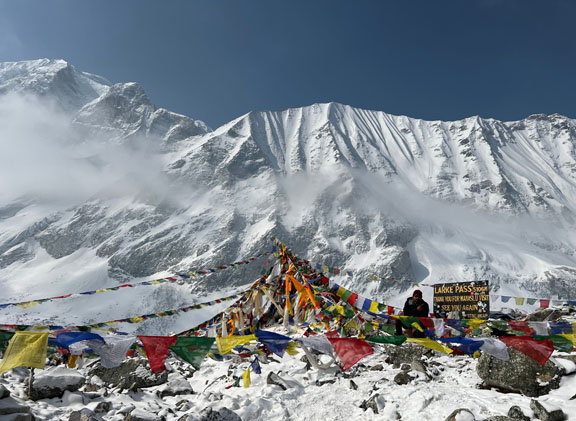
Larkya La Pass Difficulty
Larkya La is the highest point and usually the hardest day of the Manaslu Circuit Trek.
The pass reaches approximately 5,106 meters above sea level. By the time you reach this section, you have already spent several days walking at increasing altitude.
The difficulty comes from several factors.
First, the air contains less oxygen at this elevation. Second, the trail can be covered with snow or ice depending on the season. Third, the pass crossing requires an early start and several hours of continuous walking.
The final climb can feel slow, especially when the weather is cold.
Once you reach the top, however, the surrounding Himalayan scenery makes the effort worthwhile.
On a clear day, you can see an impressive panorama of snow-covered peaks and high mountain landscapes.
How Long Do You Walk Each Day?
Walking hours vary depending on the section of the route.
Some days may involve around five to six hours of walking, while more demanding days can take seven or eight hours or sometimes longer depending on the trail conditions and walking pace.
The Larkya La Pass day is normally one of the longest and most demanding days.
It is better to concentrate on maintaining a comfortable pace rather than trying to walk quickly.
Taking short breaks, drinking water regularly and eating enough food can make a significant difference during long walking days.
Is Manaslu Circuit Trek Suitable for Beginners?
Yes, beginners can complete the Manaslu Circuit Trek if they are physically prepared and follow a suitable itinerary.
Previous high-altitude trekking experience is helpful but not compulsory.
A beginner should ideally start preparing several weeks before the trek. Regular walking, stair climbing, hiking and cardiovascular exercise can help improve endurance.
If you have never done a multi-day trek before, it is particularly important to understand that the Manaslu Circuit is different from a short hiking trip. You will be walking for many consecutive days, often carrying a daypack.
A slow and steady approach is much better than trying to prove your fitness on the first few days.
How to Prepare for Manaslu Circuit Trek
Good preparation can make the trek considerably easier.
Walking and Cardio Training
Start with regular walking and gradually increase the distance.
You can also include:
- Stair climbing
- Hiking
- Cycling
- Jogging
- Swimming
- Leg-strength exercises
The goal is not to become extremely strong. The goal is to improve endurance so that your body can handle repeated walking days.
Strength Training
Simple exercises for your legs and core can help.
Squats, lunges, step-ups and basic core exercises are useful because the trail includes frequent uphill and downhill sections.
Practice With a Backpack
If you will carry your own daypack, practice walking with some weight before the trek.
This allows you to understand how your body reacts to a backpack and helps you adjust the weight before the actual journey.
Altitude Sickness on Manaslu Circuit Trek
Altitude sickness is something every trekker should take seriously.
Symptoms can include:
- Headache
- Dizziness
- Nausea
- Loss of appetite
- Unusual tiredness
- Difficulty sleeping
- Shortness of breath
A mild headache or tiredness can sometimes occur as your body adjusts, but serious symptoms should never be ignored.
The safest approach is to tell your guide immediately if you feel unwell.
Do not continue climbing simply because the itinerary says you should. Sometimes the correct decision is to rest, descend or change the plan.
Your guide can help monitor your condition and make decisions based on the situation.
How to Reduce the Risk of Altitude Problems
There is no way to completely eliminate the risk of altitude sickness, but sensible trekking practices can reduce the chances of serious problems.
Walk slowly at higher elevations.
Drink enough water throughout the day.
Avoid pushing yourself when you are feeling unwell.
Allow your body enough time to adjust.
Eat regular meals even when your appetite is lower.
Most importantly, listen to your body and communicate with your guide.
Weather and Trail Conditions
Trail conditions can change depending on the season.
Spring and autumn are generally popular periods for the Manaslu Circuit Trek because weather conditions are often favorable.
Winter can bring snow and much colder temperatures around the high pass.
During the monsoon season, rain can affect lower sections of the trail and road conditions.
At high altitude, weather can change quickly even during the better trekking seasons.
That is why appropriate clothing, good footwear and some flexibility in the itinerary are important.
What Should You Pack?
Your packing list should be based on the season and the expected conditions.
Some important items include:
- Comfortable trekking boots
- Warm down jacket
- Fleece or warm mid-layer
- Thermal base layers
- Waterproof jacket
- Trekking trousers
- Warm gloves
- Hat
- Sunglasses
- Sunscreen
- Water bottle
- Headlamp
- Trekking poles
- Sleeping bag
- Personal first-aid items
- Personal medicines
- Power bank
- Comfortable backpack
Do not carry unnecessary items. A lighter backpack makes long days on the trail much easier.
Why a Guide Is Important on the Manaslu Circuit
The Manaslu Circuit is a remote trekking route with sections where local knowledge is valuable.
A guide can help with route navigation, accommodation, meals, weather conditions and communication with local people.
At higher elevations, having an experienced guide is particularly useful because the conditions can change quickly.
A guide can also help identify potential altitude problems and communicate with the trekking team if the itinerary needs to be adjusted.
Manaslu Circuit Trek for Experienced Trekkers
For experienced trekkers, the Manaslu Circuit offers a good combination of physical challenge and cultural experience.
The route is not simply about reaching a high pass. Along the way, you experience traditional villages, monasteries, suspension bridges, forests, waterfalls and dramatic changes in landscape.
The remote character of the trek is one of its biggest attractions.
Even experienced trekkers should respect the altitude and avoid underestimating the Larkya La Pass.
How to Make the Manaslu Trek Easier
You can make the trek more comfortable by following a few simple rules.
Start walking early.
Keep your backpack light.
Walk at a steady pace.
Drink water regularly.
Eat enough food.
Sleep properly whenever possible.
Take altitude seriously.
Listen to your guide.
Do not rush to reach the next destination.
The Manaslu Circuit is not a race. Taking your time allows you to enjoy the villages, scenery and changing landscape along the route.
Final Thoughts
The Manaslu Circuit Trek is a moderate to challenging Himalayan trek, but it is achievable for properly prepared trekkers.
The main challenges are the long walking days, increasing altitude, cold conditions and the crossing of Larkya La Pass at around 5,106 meters.
You do not need technical climbing experience, but you do need reasonable fitness, patience and proper preparation.
If you prepare your body before the trip, walk at a comfortable pace and respect the altitude, the Manaslu Circuit can be a very rewarding experience.
For the complete day-by-day route, trekking duration, accommodation, meals, permits and current package information, see our Manaslu Circuit Trek 14 Days.